
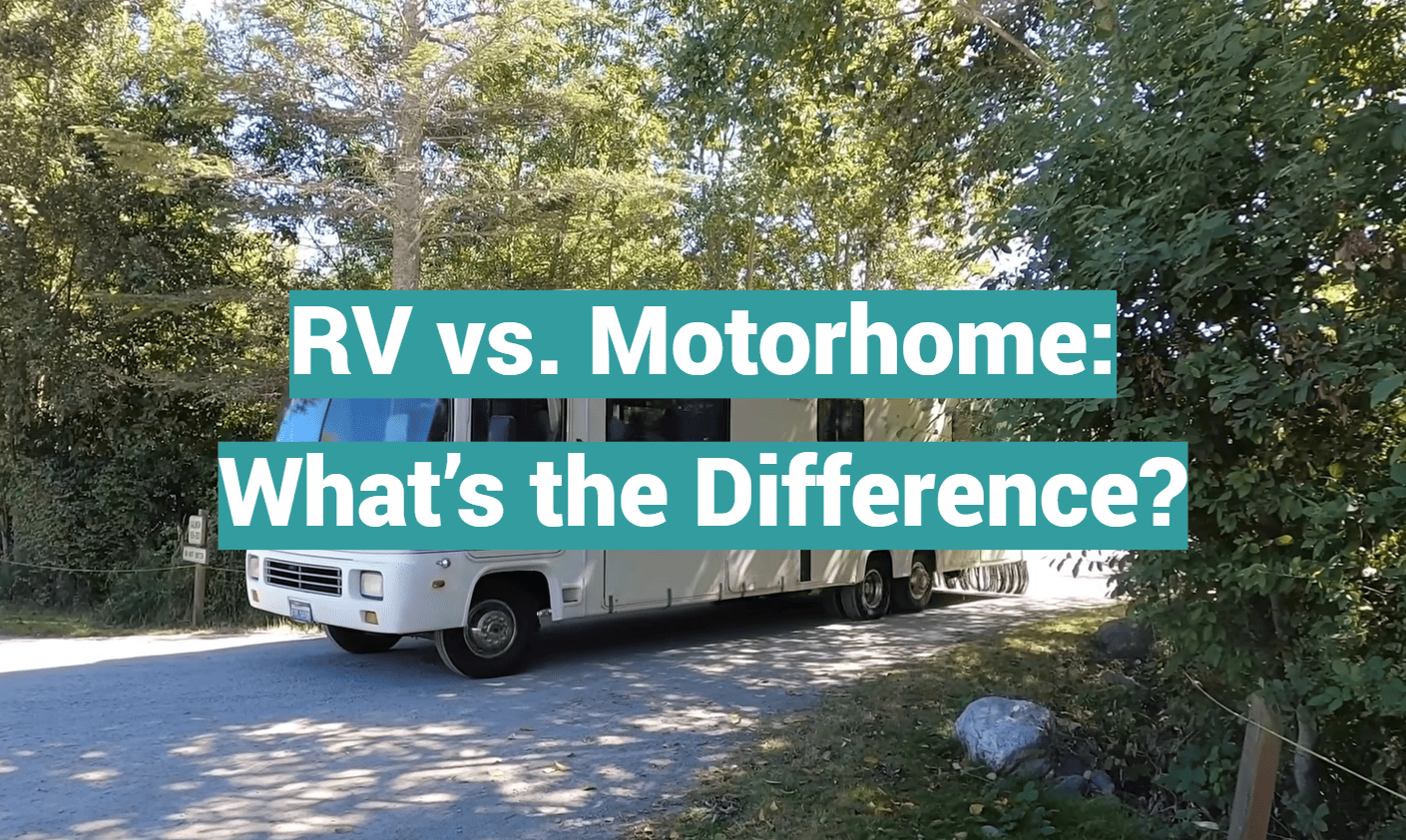
Did you know that nearly 11 million American households now own some form of recreational vehicle? That’s a massive community of road adventurers. Yet, many of them use the terms “RV” and “motorhome” as if they mean the exact same thing.
This common mix-up can lead to confusion when you’re planning your next great adventure. Understanding the distinction is more than just wordplay. It’s the first step to choosing the perfect travel companion for your journey.
The term “RV” is a broad category, like saying “vehicle.” It covers many types of mobile accommodations with living quarters. This includes towable trailers and self-contained units. The word “motorhome,” however, points to a specific kind of self-driving vehicle within that larger family.
Getting this right matters for your travel plans. The choice impacts your budget, driving experience, and the freedom you’ll have on the road. Let’s clear up the confusion and explore the key differences to help you make an informed decision.
Key Takeaways
- “RV” is an umbrella term for various vehicles with living quarters, while a “motorhome” is a specific type of self-contained RV.
- Knowing the difference helps you communicate clearly with dealers and rental companies.
- Your choice affects driving requirements, parking, and overall trip flexibility.
- Regional terminology varies, with “RV” being most common in the United States and Canada.
- Understanding these distinctions is the first step to selecting the right vehicle for your travel style and needs.
Understanding the World of RVs and Motorhomes
When planning a road adventure, understanding the full spectrum of available vehicles can transform your travel experience. This knowledge helps you choose the perfect mobile accommodation for your needs.

Overview of Recreational Vehicles and Their Categories
Recreational vehicles represent a broad family of mobile living spaces. They range from compact campervans to large, luxurious units with all the comforts of home.
The category includes both self-contained vehicles and towable options. Travel trailers and fifth-wheel trailers fall into the towable group. Each type offers different advantages for various travel styles.
All motorhomes are considered recreational vehicles, but the reverse isn’t true. This distinction is crucial when exploring your options. It helps narrow down choices based on your driving preferences and space requirements.
Global Terminology and Regional Usage
Terminology varies significantly across English-speaking countries. In the United States and Canada, “RV” is the common abbreviation for these travel vehicles.
Other regions like the United Kingdom and Australia often use “motorhome” or “caravan.” This regional variation can cause confusion when researching online or planning international trips.
Understanding these differences ensures clear communication with rental companies and dealers. It also helps when reading reviews or shopping for your ideal travel companion.
Defining Key Terms: RV, Motorhome, and Campervan
The language of road travel contains specific terms that carry important distinctions for travelers. Understanding these definitions helps you communicate clearly when shopping or planning your adventure.
What is an RV?
A recreational vehicle represents the broad category of mobile accommodations. This umbrella term covers everything from towable travel trailers to self-contained units you can drive.
Think of an RV as the family name for all vehicles with living quarters. Whether it’s a compact camper or spacious trailer, if it has sleeping and cooking facilities, it falls under this classification.
Characteristics of a Motorhome
A motorhome stands out with its integrated design. The driving area and living space form one complete structure.
This type of vehicle eliminates the need for a separate tow vehicle. You get immediate access to your home comforts after parking. Motorhomes range from cozy models for solo travel to family-sized options with generous storage.
Introduction to Campervans
Campervans serve as the compact, minimalist option in the recreational vehicle family. These versatile vehicles prioritize simplicity and easy maneuverability.
Typically built on van chassis, they feature essential amenities like sleeping quarters and basic kitchenettes. Their smaller size makes them perfect for adventurous couples or solo explorers who value mobility over spacious accommodations.
Key Differences: rv vs motorhome Options
Choosing between vehicle types often boils down to a simple question: how much space do you really need? The main differences become clear when you compare the interior experience.
Comparing Living Space, Storage, and Features
Motorhomes are famous for their roomy interiors. They often have separate areas for sleeping, cooking, and relaxing. This creates a home-like feeling on the road.
Class A models lead in luxury. They offer full kitchens and lots of storage space. Class B and C options balance comfort with a smaller size.
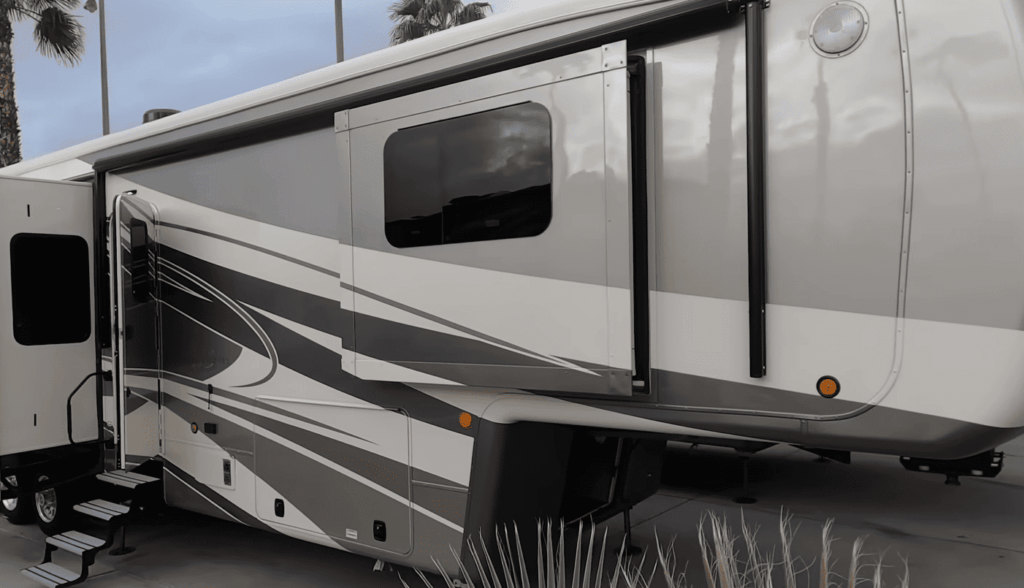
Travel trailers offer a different kind of flexibility. Their living space is separate from the tow vehicle. You can find small, cozy trailers or large fifth-wheel suites with multiple rooms.
The right amount of storage is crucial for a comfortable trip. Larger units have built-in closets and exterior compartments. Smaller options need more creative packing solutions.
Your choice depends on your travel style. Do you want maximum living space or the freedom to unhitch and explore? Understanding these features helps you find the perfect fit.
Size, Storage, and Living Space Considerations
Your vehicle’s interior layout plays a crucial role in determining how enjoyable your journey will be. The right amount of space affects everything from daily comfort to where you can park overnight.
Maximizing Space for Family and Comfort
Larger motorhomes excel at creating separate living areas for different activities. They often feature slide-outs that expand the interior when parked. This creates generous living space for family gatherings and meals.
Sleeping arrangements vary significantly across vehicle types. Compact units use convertible beds to save space. Larger models offer dedicated bedrooms with residential-quality mattresses. This ensures everyone gets proper rest.
Storage capacity is equally important for family travel. You need room for everyone’s belongings and supplies. Look for built-in closets and exterior compartments when traveling with multiple people.
Consider how much time you’ll spend inside versus exploring outdoors. This helps determine your ideal living area size. There’s no single right choice—just different options for various travel styles.
Amenities, Comfort, and Driving Experience
Your comfort and driving confidence are directly tied to the features and layout of your chosen travel vehicle. The right balance can transform hours on the road into pleasant parts of your journey.
In-Vehicle Features and Layout Options
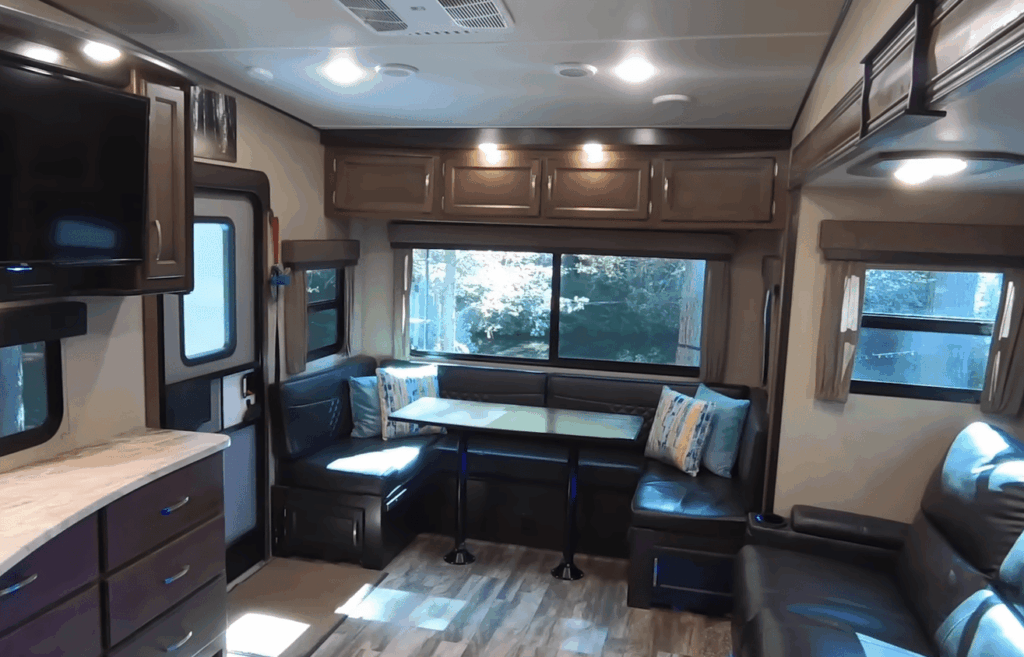
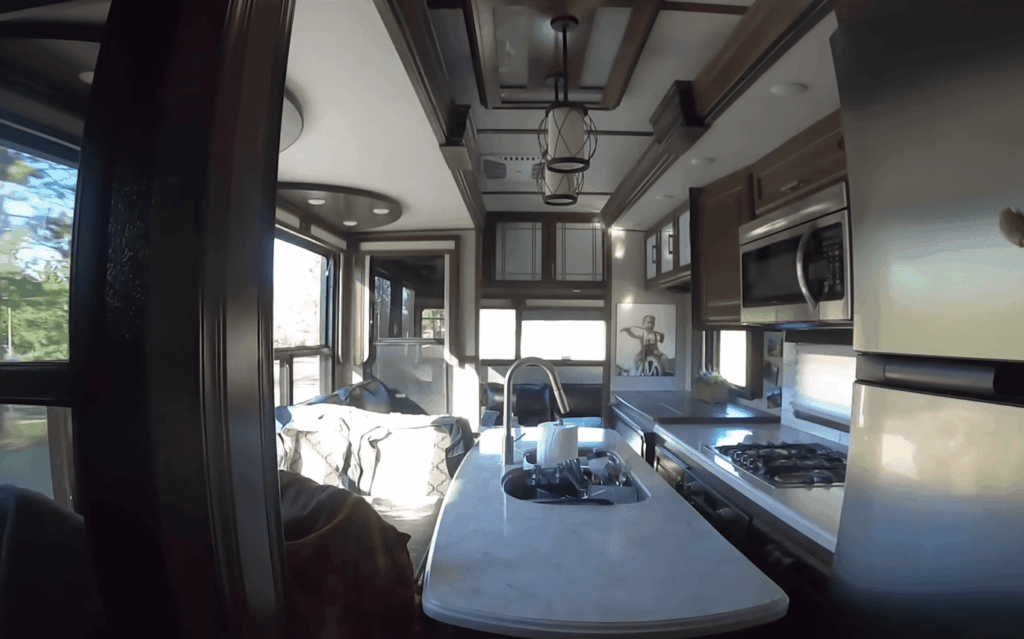
Larger motorhomes often feel like small apartments. They include full bathrooms with separate showers and spacious kitchens. These facilities make extended trips feel like home.
Class A models lead with residential-style appliances. You’ll find ovens, large refrigerators, and generous counter space. This level of comfort suits travelers who enjoy cooking while exploring.
Compact options prioritize smart design over square footage. A camper van might feature a clever wet bath and two-burner stove. Every inch serves multiple purposes in these efficient layouts.
Driving Dynamics and Maneuverability Insights
Operating a large recreational vehicle feels different from your daily car. It requires attention to height clearance and turning radius. Many new drivers feel nervous at first.
Smaller units offer familiar handling similar to a standard van. Their better fuel efficiency reduces travel costs. This makes them ideal for spontaneous side trips.
The integrated design allows access to amenities while moving. Passengers can use the bathroom or grab snacks safely. This convenience isn’t possible with towable options.
| Vehicle Type | Key Amenities | Driving Experience |
|---|---|---|
| Class A Motorhome | Full kitchen, separate bathroom, multiple rooms | Requires practice, lower fuel economy |
| Class B Motorhome | Compact kitchen, wet bath, efficient storage | Easier handling, better mileage |
| Class C Motorhome | Balanced features, often with overcab bed | Moderate challenge, decent visibility |
| Camper Van | Basic cooking area, minimal bathroom facilities | Most car-like, excellent maneuverability |
Cost and Flexibility: Renting, Owning, and Upgrade Considerations
Budget considerations often play a decisive role when selecting the perfect travel vehicle for your adventures. Understanding the financial commitment helps match your choice to both your dreams and practical needs.
Budgeting, Maintenance, and Operational Costs
Larger vehicles with lavish amenities typically come with higher rental and purchase costs. Their impressive features mean more substantial operational expenses too.
Fuel efficiency varies significantly across different options. Compact choices offer better mileage, while spacious models consume more fuel. This impacts your overall travel budget.
Insurance and maintenance represent ongoing financial commitments. More complex mechanical systems require specialized care. Consider these factors alongside the initial price.
Flexibility for Different Travel Styles and Needs
Your travel frequency and destination preferences influence the best option. Occasional travelers might prefer renting to test different models without long-term commitment.
Renting eliminates storage concerns and maintenance responsibilities. It allows you to experience various class motorhomes before making a purchase decision.
Compact vehicles offer superior flexibility for exploring urban areas and remote locations. Their smaller size opens up more camping options and spontaneous stops.
The right choice depends on your specific travel needs and group size. There are excellent options for every budget and adventure style.
Conclusion
Ultimately, the right choice in mobile living spaces reflects your unique approach to exploration and comfort. While all motorhomes fall under the broader category of recreational vehicles, this family includes diverse options from compact campers to towable trailers.
The perfect selection depends entirely on your personal circumstances. Consider your budget, travel frequency, group size, and destination preferences. Larger class motorhomes offer complete facilities with separate sleeping areas and bathrooms, ideal for extended trips.
Smaller vehicles provide better fuel efficiency and access to remote sites. Your final decision should support your adventure dreams while meeting practical needs. Whether you choose spacious comfort or nimble maneuverability, the right vehicle will create unforgettable memories on the open road.