
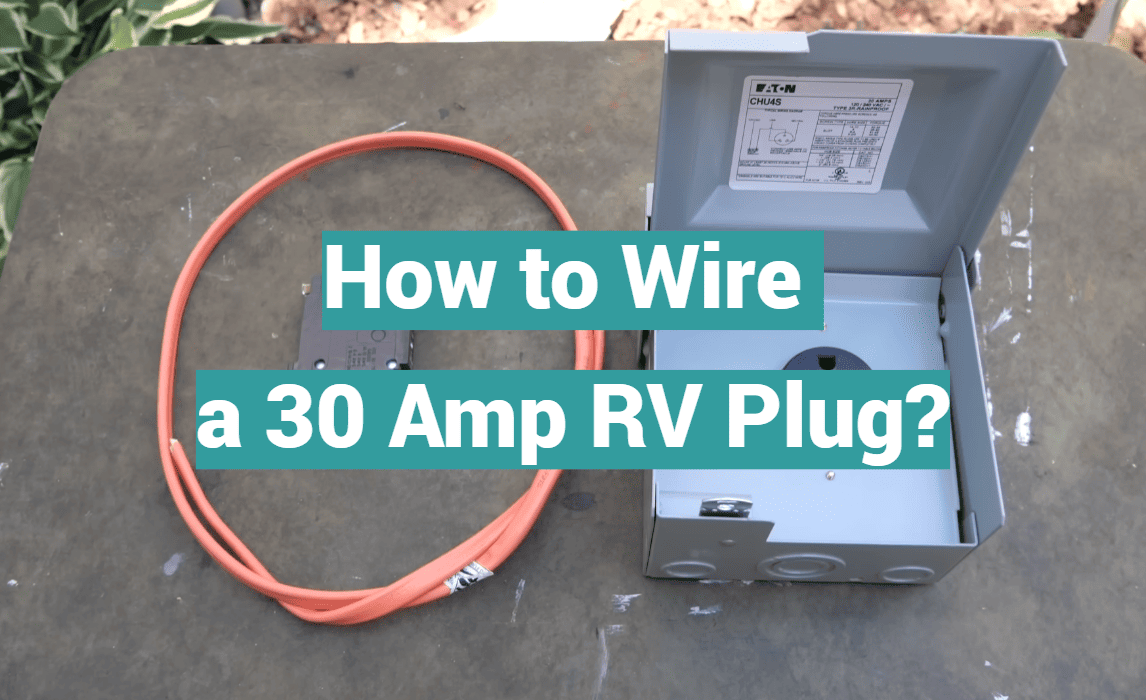
Did you know that over 11 million American households now own an RV? That’s more people than the entire population of New York City enjoying the freedom of the open road. With so many adventurers hitting the highways, understanding your vehicle’s electrical system has never been more important.
A properly connected power source transforms your outdoor experience from basic camping to comfortable living. When you can reliably run appliances and charge devices, your adventures become truly worry-free. This knowledge gives you independence whether you’re parked at home or exploring remote locations.
Mastering this essential skill means you’ll never be stranded with a damaged connection far from help. Our comprehensive guide walks you through the entire process with clear, step-by-step instructions. We focus on safety while making the technical aspects easy to understand.
You’ll gain the confidence to handle installations or replacements yourself. This empowers you to maintain all the comforts of home wherever your travels take you. Consistent electricity means your refrigerator stays cold, lights stay bright, and your adventure stays enjoyable.
Key Takeaways
- Proper electrical connections ensure safe and reliable power for your RV adventures
- Understanding your vehicle’s system prevents potential hazards and equipment damage
- This skill provides independence when traveling far from professional services
- Step-by-step guidance makes the process accessible for DIY enthusiasts
- Mastering electrical basics enhances your overall camping experience
- Safety should always be the top priority when working with electricity
- Reliable power means enjoying home comforts while exploring the outdoors
Tools and Materials for a Successful Installation
Before turning a single screw, assembling a complete toolkit is essential for ensuring your project’s success and your personal safety. Having the right equipment on hand transforms a complex task into a manageable one. This preparation prevents mid-project frustrations and guarantees a reliable power source for your adventures.
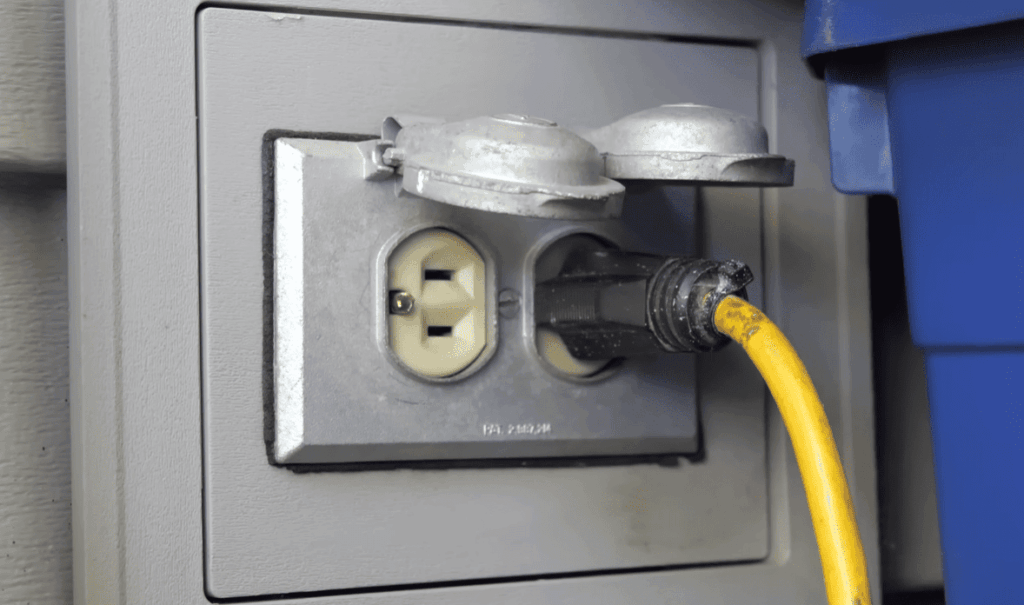
Essential Tools and Wiring Supplies
Your basic toolkit should include several key items. You will need both flat blade and Phillips screwdrivers for assembly. Wire cutters and strippers are crucial for preparing cables.
Do not forget a utility knife, marking pen, and tape measure for precision work. A voltage tester is perhaps the most important safety tool you will own. It confirms circuits are dead before you begin.
For the electrical connection itself, 10-gauge copper wire is mandatory. This specific size safely handles the necessary electrical load. Using a thinner gauge can lead to dangerous overheating.
Choosing the Right Connector and Components
Selecting the correct plug is non-negotiable. You must use a NEMA TT-30 connector. This design is exclusive to recreational vehicle applications and ensures campground compatibility.
The quality of your components matters greatly. Premium products from reputable manufacturers offer better durability and safer connections. They perform well in various weather conditions, protecting your investment.
Additional materials might include a weatherproof outlet box and conduit for home installations. Always ensure all your chosen products meet local electrical codes. Investing in proper equipment upfront saves time and prevents problems later.
Important Safety Considerations
Electrical projects require meticulous safety planning before any tools are even picked up. Your well-being depends on following proper procedures throughout the entire installation process. This approach prevents accidents and ensures a successful outcome.
Proper Power Shutdown and Use of Voltage Tester
Always begin by cutting power at the main breaker. This crucial step eliminates electrical current from the entire system. Never assume the circuit is dead without verification.
Use a reliable voltage tester to confirm zero voltage presence. Test twice—before starting work and before restoring power. This double-check provides absolute certainty about electrical safety.
Protective Gear and Handling Procedures
Wear insulated gloves and safety glasses during all electrical work. These items protect against unexpected sparks or debris. Proper ground connections are equally vital for personal protection.
The ground wire serves as a critical failsafe in your electrical system. It redirects stray current during faults. Understanding this safety feature helps prevent dangerous situations.
| Safety Equipment | Primary Purpose | Usage Timing | Protection Level |
|---|---|---|---|
| Voltage Tester | Confirm power absence | Before and after work | Critical |
| Insulated Gloves | Prevent electrical shock | During handling | Essential |
| Safety Glasses | Eye protection | Throughout project | Highly Recommended |
| GFCI Outlet | Circuit protection | Permanent installation | Required |
Following these safety measures makes working with electricity much safer. The right equipment and procedures protect both you and your electrical system. Always prioritize caution when handling any electrical components.
Step-by-Step Wiring Process
Transforming a collection of parts into a functioning power source requires attention to detail at every stage. This methodical approach ensures your electrical system operates safely and reliably for years of adventures.
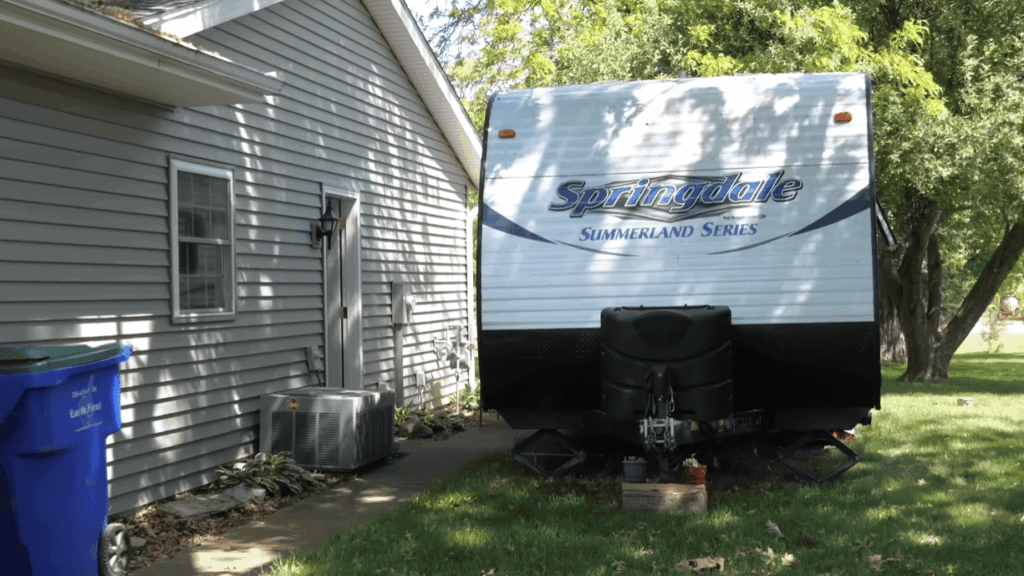
Preparing the RV Plug and Stripping Wires
Begin by cleanly cutting away any damaged components using appropriate cutters. Carefully remove about three inches of the outer protective covering without damaging the interior insulation.
You’ll reveal three color-coded conductors inside. Each serves a specific purpose in the electrical system. Strip approximately half an inch of insulation from each wire end using proper strippers.
Connecting Wires to the Correct Terminals
Open the connector housing by removing the securing screws. Route each prepared conductor to its designated connection point following the color coding system.
The black wire attaches to the brass terminal, while the white conductor connects to the silver terminal. The green wire secures to the ground terminal. Tighten all screws firmly but avoid over-tightening.
Securing Connections and Testing with a Voltage Tester
Reassemble the housing carefully, ensuring all components fit properly. Install the strain relief clamp to protect the electrical connections from pulling stress.
Before connecting to any power source, use your voltage tester to verify proper installation. This final check confirms everything works correctly and safely.
Troubleshooting Common Wiring Issues
Even with careful installation, electrical connections can develop problems over time. Recognizing these issues early prevents more serious damage to your system. Quick identification means faster solutions and safer adventures.
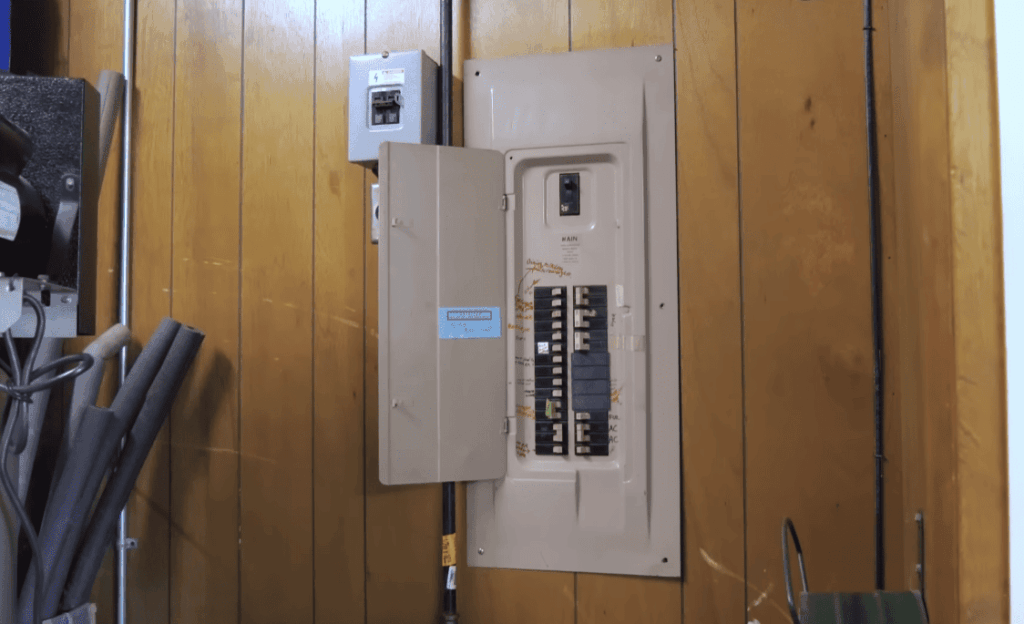
Identifying Incorrect Wire Placements and Overheating
Overheating represents one of the most dangerous problems with your electrical connection. This often happens when you use too many appliances at once. The resulting heat can damage the plug and create fire risks.
Watch for warning signs like discoloration or a burning smell. A hot-to-touch connector after brief use indicates trouble. These symptoms suggest immediate attention is necessary.
Incorrect wire placement during DIY repairs causes many failures. Each colored wire must connect to its proper terminal. Using a wiring guide ensures correct installation every time.
Dealing with Wear, Tear, and Damaged Connectors
Normal use gradually weakens your power cord connection. Repeated plugging and unplugging loosens prongs over time. Weather exposure and accidental drops add to this wear.
A broken ground prong is particularly concerning. Your rig might still receive power without it. However, you lose critical protection against electrical faults.
Regular inspection before each trip catches developing issues. Look for cracks, loose parts, or corrosion. Early detection prevents campsite power failures.
If your breaker trips repeatedly, investigate immediately. This signals either overload or a short circuit. A quality multimeter helps pinpoint the exact problem location.
30 amp rv plug wiring: Essential Guidelines and Best Practices
Maintaining your recreational vehicle’s electrical connection ensures reliable adventures for years to come. Proper care goes beyond the initial setup, focusing on long-term performance and safety. A consistent routine protects your investment and your peace of mind.
Maintenance Tips and Regular Inspections
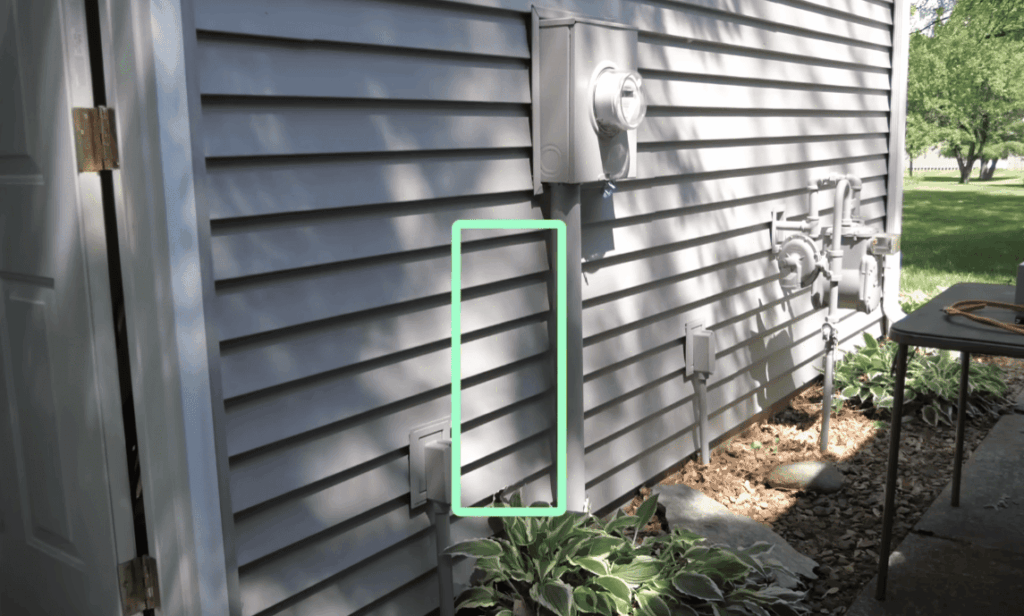
Choosing the right spot for a home outlet is the first step toward efficiency. Place it near your parking area to keep your power cord short. This simple choice reduces voltage loss over distance.
Underground installation requires careful planning. You must bury cables at the correct depth, typically 18 to 24 inches. Always use a protective conduit as the wires near the surface for maximum safety.
Local electrical codes can be stricter than national standards. Always verify requirements with your municipality or a licensed electrician.
Understanding your vehicle’s power needs is crucial. A system designed for 3,600 watts cannot handle the load of a 12,000-watt setup. Using the correct NEMA-standard connector ensures compatibility everywhere.
Inspect your equipment before every trip. Look for cracks, loose parts, or discoloration. A good surge protector is essential, but it cannot prevent damage from overloading your appliances.
Keep your owner’s manual and this article as handy references. Good connectivity starts with a well-maintained power source. This proactive approach guarantees many trouble-free journeys.
Conclusion
With proper electrical knowledge, you’ll never be at the mercy of campground power issues again. This comprehensive guide has equipped you with essential skills for handling your vehicle’s electrical needs confidently.
Remember that safety remains your top priority. Always cut power at the breaker and use your voltage tester to confirm circuits are dead. These simple steps protect you during any electrical work.
The solutions you’ve learned apply to various situations. Whether installing a new connection or troubleshooting an existing one, you now have practical answers. Regular maintenance of your equipment ensures reliable performance.
Quality components make a significant difference in your overall experience. Investing in proper wire gauge and reliable breakers pays off in safety and peace of mind. Your adventures will be more enjoyable with dependable power wherever you travel.