
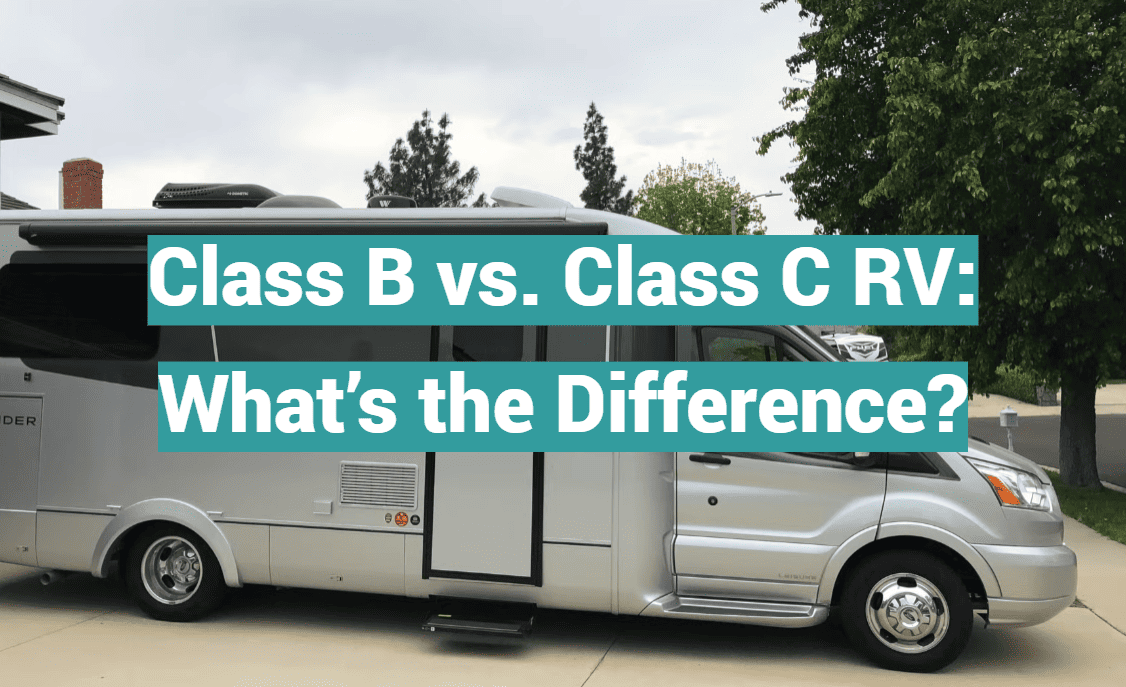
Did you know that over 11 million American households now own some form of recreational vehicle? That’s more than the entire population of New York City hitting the road in their mobile homes. This surge in popularity means more people than ever face a crucial decision when choosing their perfect travel companion.
Many prospective buyers find themselves torn between two popular motorhome categories that appear similar alphabetically but offer dramatically different road experiences. This choice often becomes the central dilemma for those ready to invest in their mobile lifestyle.
Both of these vehicle types serve as an excellent middle ground. They bridge the gap between towable trailers and the massive, bus-like motorhomes. This makes them particularly appealing to first-time buyers and seasoned travelers seeking manageable size with full amenities.
Understanding the distinct characteristics of each option is essential for making an informed decision. The right selection depends heavily on your travel style, budget considerations, and family requirements. What works for a solo adventurer might not suit a family of four.
This comprehensive guide will walk you through every important factor. We’ll compare size, maneuverability, living amenities, and pricing structures. You’ll discover real-world examples and practical considerations that go beyond basic specifications.
Key Takeaways
- Both options offer a balanced compromise between small trailers and large motorhomes
- The driving experience and maneuverability differ significantly between the two styles
- Living space and storage capacity vary dramatically based on the design approach
- Pricing structures reflect the different features and construction methods
- Fuel efficiency and maintenance costs should factor into your long-term decision
- Each type caters to specific travel styles and family configurations
- Practical considerations often outweigh theoretical advantages
Introduction to Class B and Class C RVs
When stepping into the world of motorhomes, many travelers discover two distinct categories that balance compact size with home comforts. These options provide excellent mobility while offering essential amenities for road trips and camping adventures.

Defining Class B RVs
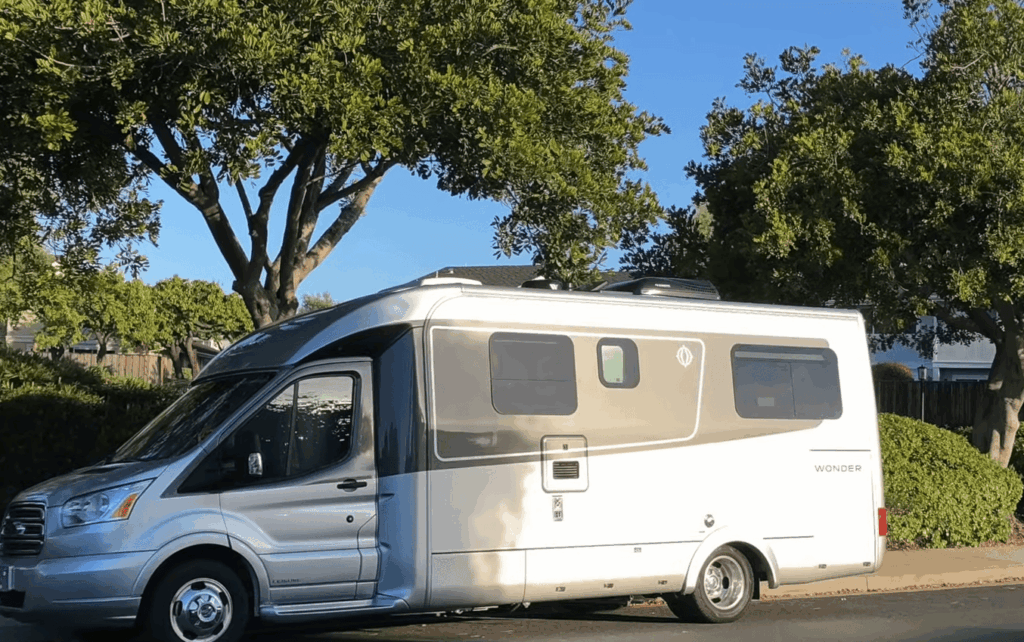
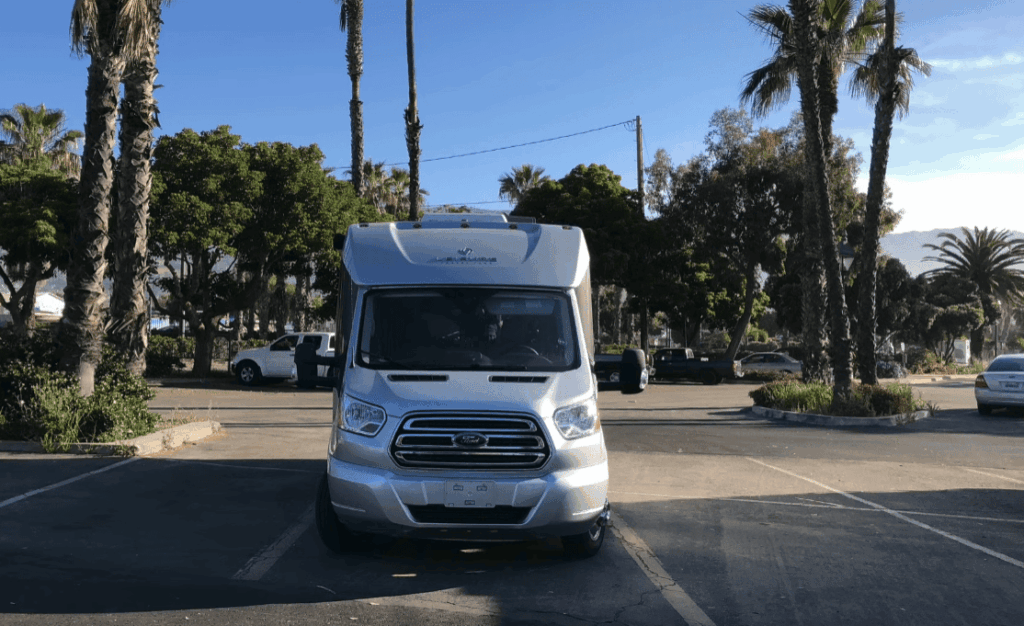
The smallest motorhome category transforms standard automotive vans into cozy living spaces. These vehicles typically measure between 18 and 25 feet long, making them incredibly easy to drive and park.
Built on popular van chassis platforms like the RAM ProMaster or Ford Transit, these campers feature clever space-saving designs. You’ll often find combined shower-toilet areas, pop-up roof tents, and convertible dining spaces that double as sleeping quarters.
Overview of Class C RV Features
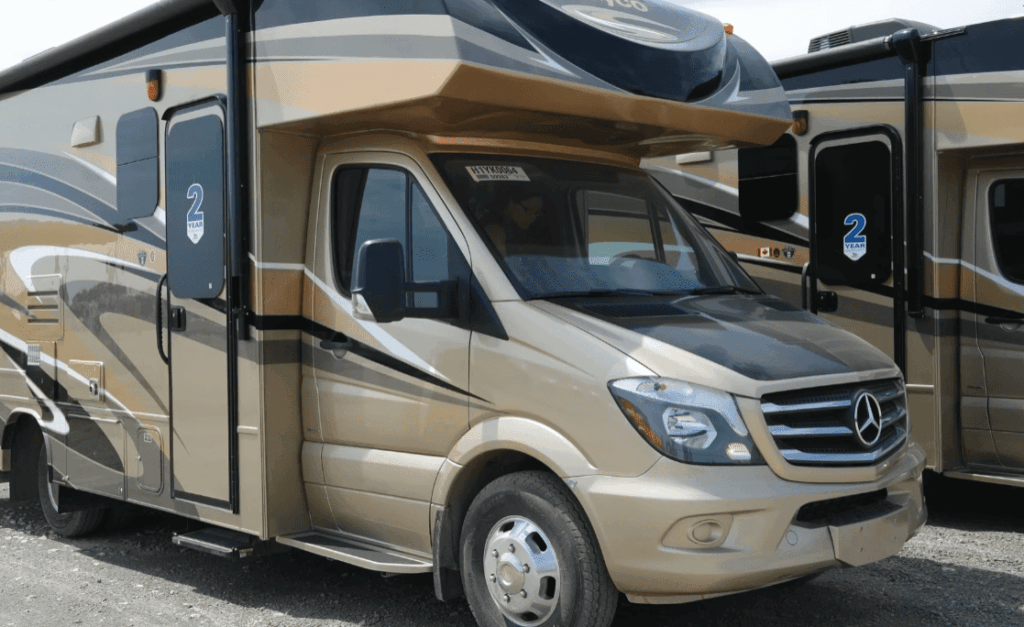
Larger motorhomes built on sturdy truck chassis offer significantly more interior room. The distinctive cabover bunk area above the driver’s compartment provides extra sleeping space.
Ranging from 22 to over 33 feet long, these vehicles accommodate larger families comfortably. Manufacturers offer extensive customization options including slide-out sections, various floorplans, and specialized configurations for outdoor gear.
Understanding class b vs class c rv: Feature Comparison
Choosing between these two popular motorhome categories requires a deep dive into their structural engineering and design philosophy. Both options share the major advantage of being completely self-contained living spaces.
You can access kitchens, bathrooms, and sleeping areas without ever stepping outside. This convenience makes rest stops and overnight camping remarkably simple.
Core Design and Chassis Differences
The fundamental distinction lies in their chassis construction. One type utilizes standard van platforms with minimal exterior changes. The other builds upon truck chassis with distinctive cabover designs.
Manufacturers offer both gas and diesel engine options. This allows buyers to select based on power needs and fuel efficiency preferences.
Standard amenities include kitchen facilities and bathroom configurations. However, the size and luxury levels vary significantly between the two approaches.
Understanding these construction differences helps buyers appreciate how they affect driving experience and interior space. The right choice depends on your specific travel requirements.
Interior Living Space: Comfort and Amenities
Your indoor experience will vary dramatically depending on which motorhome configuration you choose. The available living space and amenities create the most noticeable contrast for daily life on the road.
Kitchen, Bathroom, and Dining Areas
Larger models typically feature full-size kitchens with generous counter space and residential appliances. Compact van conversions use clever kitchenette designs that maximize every inch.
Bathroom configurations show another clear distinction. Smaller vehicles often have combined shower-toilet areas, while bigger options provide separate, more spacious facilities. This affects your daily routine significantly.
Dining areas also differ substantially. You’ll find comfortable dinettes or free-standing tables in roomier models. More compact designs use convertible tables that serve multiple purposes throughout the day.
Sleeping Capacity and Flexible Layouts
Sleeping arrangements represent a major differentiator. The cabover bunk in larger models provides obvious advantages for family travel. Smaller vehicles typically accommodate fewer people comfortably.
Layout flexibility varies between the two approaches. Compact designs excel at multi-functional space utilization. Roomier options offer dedicated areas for different activities, providing better privacy and organization.
Driving Experience and Maneuverability Considerations
Maneuverability separates enjoyable road trips from stressful driving situations. The compact van-based models offer the most natural driving feel of any recreational vehicle type.
These smaller units handle like large passenger vans. Many first-time buyers choose them specifically for this reason. The experience feels familiar and requires minimal practice.
| Driving Characteristic | Compact Van Models | Larger Cabover Models |
|---|---|---|
| Parking Ease | Fits standard spaces | Requires dedicated RV spots |
| Learning Curve | Minimal adjustment needed | Moderate practice required |
| Urban Accessibility | Excellent for city driving | Challenging in tight spaces |
| Stress Level | Low anxiety driving | Moderate driver awareness |
Parking advantages represent a major benefit for compact designs. Their smaller dimensions allow access to regular parking spots at stores and restaurants. This convenience cannot be overstated for daily travel needs.
“The ability to park anywhere a large truck can go opens up camping opportunities others miss entirely.”
Larger cabover models require more driver confidence. Their extended length and height demand careful attention to clearance and turning radius. However, they remain significantly easier to handle than the largest motorhome categories.
Modern safety features help both types. Backup cameras and improved mirrors reduce stress. But the inherent size difference means compact vans provide greater peace of mind for nervous drivers.
Performance and Off-Road Capabilities
What happens when your dream road trip takes you down unpaved paths and remote locations? The performance characteristics of your recreational vehicle become critically important beyond basic specifications.
Fuel Efficiency and Engine Options
Compact van conversions deliver the best gas mileage among all motorhome types. These efficient units typically achieve 18-25 MPG, making them ideal for extended journeys.
Larger cabover models offer moderate fuel economy around 10-15 MPG. While better than massive coaches, their heavier weight reduces efficiency compared to smaller alternatives.
Both vehicle categories provide gas or diesel engine choices. Diesel powertrains often deliver superior torque and longevity, though at a higher initial investment.
Off-road advantages clearly favor the compact designs. Many feature increased ground clearance, all-terrain tires, and enhanced suspension systems. Some even offer four-wheel-drive configurations for challenging terrain.
These rugged features make smaller units perfect for exploring forest service routes and boondocking spots. Larger motorhomes struggle on truly rough roads due to their size and weight limitations.
Advanced off-grid technology represents another growing trend. Industry leaders like Winnebago integrate sophisticated solar systems and power management solutions. Their Power Max system exemplifies this innovation focused primarily on compact models.
For travelers prioritizing both fuel savings and remote exploration capabilities, the smaller options provide significant performance benefits across varied road conditions.
Exterior Storage and Towing Options
Storage capacity and towing capabilities often become deciding factors for many RV buyers. How you pack and what you can bring along significantly impacts your travel experience.
Storage Solutions and Accessibility
The larger cabover models offer a clear advantage with multiple exterior compartments. These pass-through storage areas keep bulky gear separate from your living space.
Compact van conversions rarely feature traditional exterior bays due to their streamlined design. Instead, they utilize creative solutions like roof racks and rear-mounted carriers.
This difference means van owners need strategic packing skills. The cabover option provides easier access to camping equipment without entering the motorhome.
Towing Capacity and Secondary Vehicle Needs
When it comes to pulling additional vehicles, the cabover design dominates. These models typically handle 3,500-7,500 pounds, perfect for boats or small cars.
Van-based units have more limited capacity, usually maxing around 2,000-5,000 pounds. Both types include hitch receivers, but the structural strength differs considerably.
Families wanting to tow should carefully consider this capability. The right choice depends on your specific hauling requirements and travel plans.
Pricing, Value, and Resale Considerations
Budget planning represents a critical step in selecting your ideal motorhome. The initial investment varies considerably between different types of recreational vehicles.
Entry-level units in both categories start around $75,000-$80,000. This makes them comparably priced for buyers seeking basic features.
Cost Analysis by Make and Model
Mid-range models typically cost between $100,000-$150,000. The final price depends heavily on manufacturer reputation and selected features.
High-end versions can reach $150,000-$200,000 with luxury upgrades. You pay more for compact designs when comparing cost per square foot.
Several factors influence these motorhome prices:
- Chassis type (gas versus diesel engines)
- Brand reputation and reliability history
- Interior finishes and technology packages
- Special features like solar systems
The used market offers units under $75,000 depending on age and condition. Resale value depends more on specific models than vehicle categories.
Tools like the Good Sam RV Valuator help research depreciation rates. Remember that total ownership cost includes insurance, maintenance, and storage expenses.
Choosing the Right RV for Your Family and Lifestyle
The decision between different motorhome types hinges on understanding how your family’s travel habits mesh with each vehicle’s strengths. Your household size and travel patterns should guide this important choice.
Household Size and Travel Requirements
Your family composition directly impacts which recreational vehicle makes sense. Smaller camper vans work perfectly for couples or solo travelers seeking minimalist adventures.
Larger families with children typically need the extra space and sleeping capacity of cabover models. These accommodate groups comfortably with dedicated sleeping areas.
| Household Size | Ideal Vehicle Type | Travel Style |
|---|---|---|
| 1-2 people | Compact Van Conversion | Spontaneous weekend trips |
| 3-4 people | Midsize Cabover Model | Extended family vacations |
| 5+ people | Large Motorhome | Full-time living possible |
Long-Term Use and Maintenance Insights
Consider how frequently you’ll use your recreational vehicle over time. Simpler van conversions often require less maintenance than complex motorhomes.
Regular upkeep affects resale value significantly. Owners should create a maintenance schedule based on their travel frequency.
Think about your comfort with vehicle maintenance. Some people prefer simpler systems while others want full home amenities.
Conclusion
Your final decision between these two motorhome styles comes down to matching vehicle capabilities with your personal adventure goals. The right choice depends entirely on your travel style, household size, and priorities.
Compact camper vans excel with easy driving, excellent fuel economy, and rugged off-road capabilities. They’re perfect for couples and solo travelers who value spontaneity. Their smaller space requires creative organization but offers greater accessibility.
Larger motorhomes provide generous living space and higher sleeping capacity. They suit families needing more amenities and storage options. These vehicles feel more like a true home on wheels with separate living areas.
Remember that price ranges overlap significantly between these RV class types. Budget shouldn’t be your only consideration. Test drive both styles and walk through multiple floorplans before deciding.
Whether you choose a nimble van or spacious motorhome, both options open up incredible adventures. The perfect RV awaits—one that matches your dream travel lifestyle.