
Did you know your home on wheels can represent an investment rivaling a small house? According to industry experts like Cruise America, a modest Class C model can cost $75,000 to $125,000. Larger Class A motorhomes often exceed $300,000.
That’s a significant amount of money parked in your driveway. Just like your primary residence, this valuable asset deserves serious protection from the elements.
Sun, rain, snow, and wind constantly work to degrade your vehicle’s exterior and interior. Prolonged exposure accelerates wear and tear, leading to costly repairs and a faster drop in resale value. A proper storage solution acts as a shield, preserving your investment for years of adventure.
The good news is that you have many options. Whether you own a compact camper or a spacious fifth wheel, solutions exist for every budget and property setup. This guide will explore everything from simple, temporary covers to permanent, enclosed garages.
We will help you find the perfect balance between robust protection and your financial plan. Get ready to discover practical ways to keep your recreational vehicle safe and sound.
Key Takeaways
- Recreational vehicles represent a major financial commitment, often costing as much as a house down payment.
- Weather elements like UV rays and precipitation cause significant long-term damage and depreciation.
- A dedicated storage structure is a wise investment that protects your initial purchase.
- Solutions range widely in cost and complexity, fitting different budgets and needs.
- Proper sizing, local permitting, and installation methods are crucial factors to consider.
- Both permanent and portable options offer effective protection for your camper.
- The right choice helps maintain your vehicle’s value and readiness for your next trip.
Understanding the Importance of RV Shelters
The sun’s relentless rays and seasonal storms pose serious threats to your valuable motorhome. Proper coverage provides essential weather protection that goes beyond simple convenience.
Protecting Your RV from Weather Elements
UV radiation causes significant damage over time. It fades exterior paint, cracks rubber seals, and deteriorates tires when vehicles sit exposed.
Rain and moisture create different problems. Water intrusion leads to leaks, mold growth, and expensive structural repairs. Hail storms and falling branches can dent roofs and cause cosmetic damage.
Strong winds during thunderstorms present another risk. They can rock smaller trailers, potentially causing tipping or other damage. According to the American Society of Civil Engineering, northern states like Wisconsin require structures to withstand 60-70 pounds per square foot of snow load.
Preserving Your Investment Value
Most insurance policies don’t cover weather-related wear and tear. This makes physical protection the owner’s responsibility for maintaining value.
Vehicles kept under cover maintain significantly better resale value. This is crucial for assets costing $75,000 to $300,000. The right shelter slows depreciation dramatically.
On-property storage also eliminates monthly rental fees at remote facilities. You gain convenient access for maintenance and trip preparation right at home.
An Overview of RV Shelter Concepts
Before exploring specific models, it helps to understand the main categories of vehicle shelters on the market. Think of this as your menu of options.
On one end, you have simple open-frame metal carport designs. These provide essential overhead shade and rain protection. Moving up, partially enclosed structures add side panels for better wind and debris defense.
For maximum security and weatherproofing, fully enclosed garages are the top choice. These custom metal buildings act like a personal hangar for your camper.
Other popular design choices include classic wooden carport builds and flexible portable fabric shelter solutions. Your best pick depends heavily on your local climate, available space, and budget.
Investment levels reflect this range. Basic covers can start under $2,000. Full-scale enclosed carport garages with foundations often exceed $20,000.
Some permanent options require building permits and professional installation. Portable ideas offer permit-free flexibility. No single solution is perfect for everyone.
The following sections will dive deep into each type. You’ll see real costs and learn what makes each shelter unique for protecting your valuable asset.
Innovative “rv shelter ideas” for Every Home
Modern protection structures have evolved beyond basic functionality to become architectural extensions of your home. Today’s solutions blend seamlessly with various property styles while offering robust coverage.
Dual-purpose designs provide exceptional value. These structures protect your vehicle while creating additional workspace or equipment storage. This approach maximizes your property’s utility.
Customization options allow perfect aesthetic matching. Homeowners can select colors, trim styles, and architectural details. This ensures the structure complements your existing home design beautifully.
| Structure Type | Best For Home Styles | Cost Range | Key Features |
|---|---|---|---|
| Metal Carport | Contemporary, Ranch, Modern | $2,000-$8,000 | Durable, quick installation, versatile |
| Attached Garage | Traditional, Colonial, Craftsman | $15,000-$30,000 | Direct home access, maximum security |
| Lean-to Design | Cottage, Bungalow, Farmhouse | $3,000-$10,000 | Cost-effective, space-efficient |
| Custom Metal Building | Luxury, Estate, Custom Homes | $20,000-$50,000 | Full customization, premium materials |
Property layout significantly influences your ideal solution. Spacious lots accommodate larger structures, while compact yards benefit from space-saving ideas. Every property has creative protection possibilities.
Consider how each carport or garage design integrates with your landscape. The right choice enhances both functionality and curb appeal. Your perfect vehicle protection awaits discovery.
Exploring Open-Frame Carports and Roof Designs
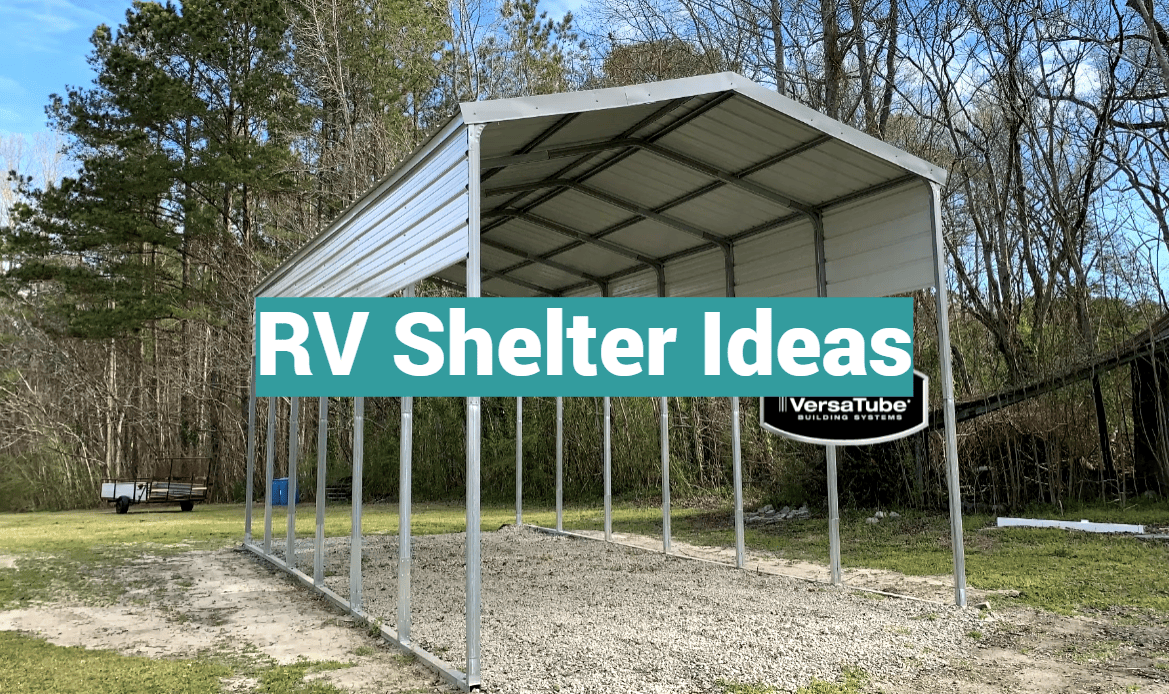
Open-frame metal carports provide excellent overhead protection while maintaining good airflow around your vehicle. The roof design you choose significantly impacts performance and durability.
Three main styles dominate the market. Each offers distinct advantages for different climates and vehicle sizes.
A-Frame Boxed Eave and Regular Carports
A-frame boxed eave carports feature horizontal roof panels running the structure’s length. This traditional design includes trim along the eaves for a polished appearance.
These units typically use 26- or 29-gauge galvanized steel. The classic peaked look blends well with residential properties.
Regular roof carports offer the most budget-friendly permanent option. They feature rounded, curved eaves with horizontal panels running front to back.
This style has limitations. They typically cannot exceed 35 feet in length due to sagging concerns under heavy snow or rain.
Vertical Roof Carport Advantages
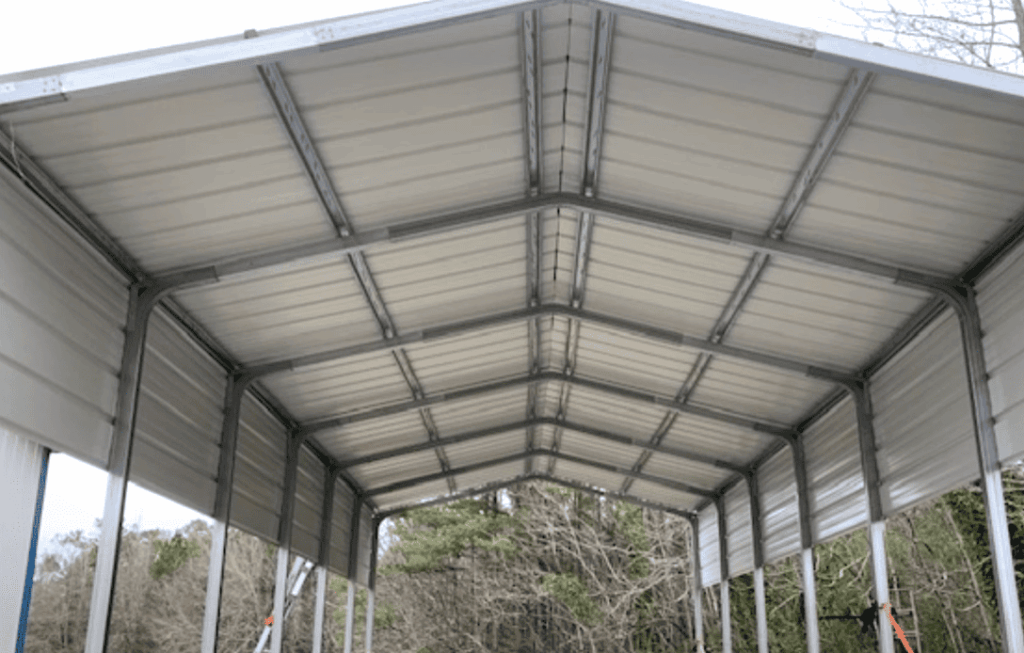
Vertical roof carports represent the premium open-frame option. Their panels run from peak to eaves like residential house roofs.
This design allows rain, snow, and debris to slide off easily. It prevents water pooling and reduces structural strain.
The vertical style enables longer constructions perfect for oversized vehicles. It’s highly recommended for areas with heavy precipitation.
When reviewing specifications, note the difference between leg height (support pole height) and peak height (tallest center point). This ensures proper clearance for your equipment.
Enclosed Garages and Custom Metal Building Solutions
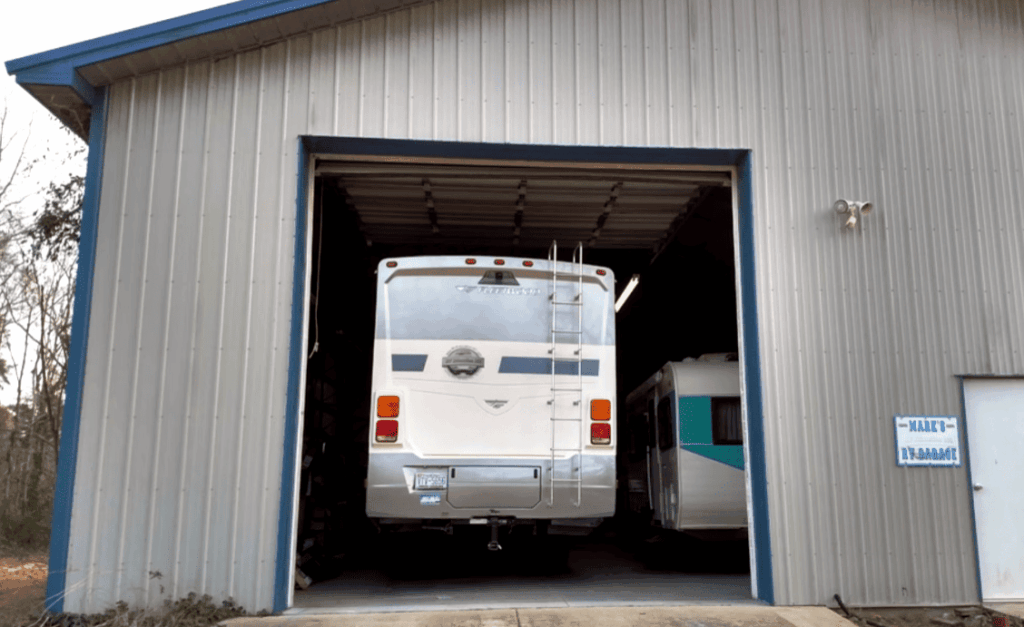
For those seeking the highest level of security and weatherproofing, enclosed garages represent the pinnacle of vehicle protection options. These metal buildings create a fortress-like environment that shields your investment from all environmental threats.
Fully enclosed structures offer complete protection from weather, theft, and pests. They provide the ultimate peace of mind for valuable recreational vehicles.
Detached vs. Attached RV Garages
Detached garages offer flexible placement on your property without home modifications. They work well for spacious lots and oversized vehicles.
Attached building solutions connect directly to your home. This provides convenient indoor access during poor weather conditions. The integrated appearance enhances your property’s overall aesthetic.
Customization for Extra Storage and Security
Custom metal buildings offer extensive personalization options. You can choose overhead door sizes from 12 to 16 feet high for proper clearance.
Additional features include walk-in entry doors, windows for natural light, and insulation for climate control. These custom touches transform basic storage into multi-functional spaces.
Many owners create dual-purpose garages that serve as workshops or equipment storage areas. The enhanced security of locked enclosed structures protects against theft while increasing property value.
Embracing Wooden and Pergola-Style Shelters
Wooden structures bring timeless appeal to vehicle storage solutions while offering unique benefits and considerations. These natural-material options provide a warm, traditional look that many homeowners prefer.
Classic Wooden Carports
Wooden carports offer a classic aesthetic that complements various home styles beautifully. They provide natural charm that many find appealing for residential settings.
According to HomeGuide, wood carports cost $15-$30 per square foot. This compares to metal options at $8-$20 per square foot. The premium price reflects the material’s visual appeal.
These structures require significant maintenance to remain durable. Regular painting or sealing prevents rot, warping, and insect damage like termites. Without proper care, wood can deteriorate quickly.
Wood may not withstand severe weather as well as metal alternatives. Heavy snow loads require substantial engineering. This often increases the overall cost.
Pergola Designs for a Traditional Look
Pergola-style shelters feature open-lattice roofs or minimal overhead coverage. They focus on architectural aesthetics rather than full weather protection.
One reader successfully built a homemade pergola-type cover with family help. Their creation provides basic protection from sun, rain, and snow. This DIY approach offers personal satisfaction.
Pergolas require regular maintenance to prevent rot and decay. They offer limited defense against harsh weather conditions. These designs prioritize visual appeal over practical protection.
Wooden and pergola options work best in mild climates where aesthetics matter most. For maximum weather protection, metal structures often prove more practical. Choose based on your local conditions and visual preferences.
Portable Shelter Options for Flexibility
Temporary protection doesn’t have to mean sacrificing quality coverage for your valuable vehicle. Portable solutions offer excellent alternatives when permanent structures aren’t feasible.
Fabric RV Carports and Modular Solutions
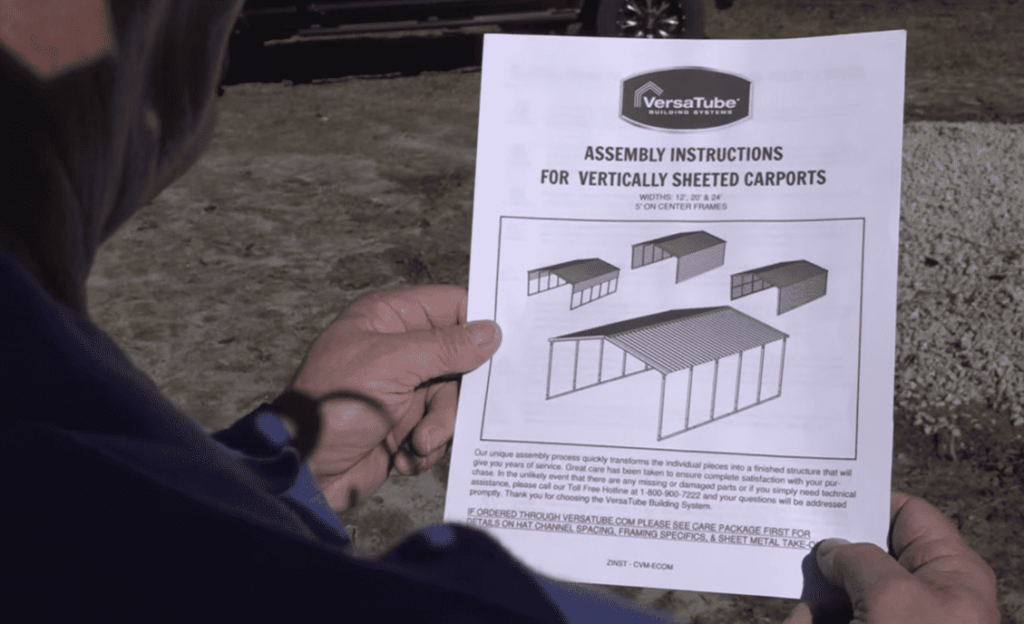
Fabric carports use sturdy metal frame tubing with heavy-duty fabric or polyethylene covers. They create full canopy structures that provide solid overhead protection.
These portable shelters offer significant advantages. They typically don’t require permanent foundations or building permits. This makes them ideal for renters or temporary situations.
One Rhino Shelter owner reported excellent results. Their 12’x12’x28′ unit cost $1,700 and has protected their camper from sun, rain, and snow for four years.
Another user stores their equipment under an Eagle Shelter System. The 25’x24′ structure costing approximately $3,400 keeps both their camper and boat dry and shaded.
For better durability, consider portable metal carports. These use lightweight metal panels instead of fabric while maintaining easy setup and mobility.
Heavy-duty tarp covers represent the most budget-friendly option. Available at hardware stores, they offer basic protection but limited weather resistance.
Custom tarp covers provide unique travel flexibility. You can take them on trips to protect your camper away from home. Portable solutions work best when you need adaptability without permanent commitments.
Key Factors When Choosing an RV Shelter
Proper planning ensures your vehicle protection solution fits both your equipment and property perfectly. Getting the measurements and legal requirements right from the start prevents costly adjustments later.
Size, Dimensions, and Clearance Considerations
Accurate measurements form the foundation of any successful protection project. Measure your vehicle’s total length, width, and height including roof equipment like AC units.
| Vehicle Class | Minimum Dimensions (LxWxH) | Recommended Clearance |
|---|---|---|
| Class A | 50′ x 18′ x 16′ | Add 2-3 feet all around |
| Class B | 24′ x 20′ x 14′ | Extra space for access |
| Class C | 36′ x 26′ x 14′ | Room for slide-outs |
| Fifth Wheel | 40′ x 24′ x 16′ | Height for roof units |
Remember that leg height differs from peak height. Standard 12-foot legs work for many vehicles, but taller units need 14-16 foot clearance.
Foundation, Permitting, and Installation Tips
Your foundation choice impacts durability and drainage. Options range from temporary dirt pads to permanent concrete slabs. Gravel offers cost-effective drainage, while concrete provides maximum stability.
“We poured our concrete slab before the carport installation, which made the process much smoother and ensured a level surface.”
Most permanent structures require a building permit. Check local regulations before starting your project. Site selection should consider level ground, easy access, and proper clearance from trees and utility lines.
Enhancing Functionality with Additional Storage
Many owners discover that their covered space evolves into a multi-functional property asset. Your protection structure can serve dual roles beyond vehicle coverage.
Dual-Purpose Designs for Vehicles and Equipment
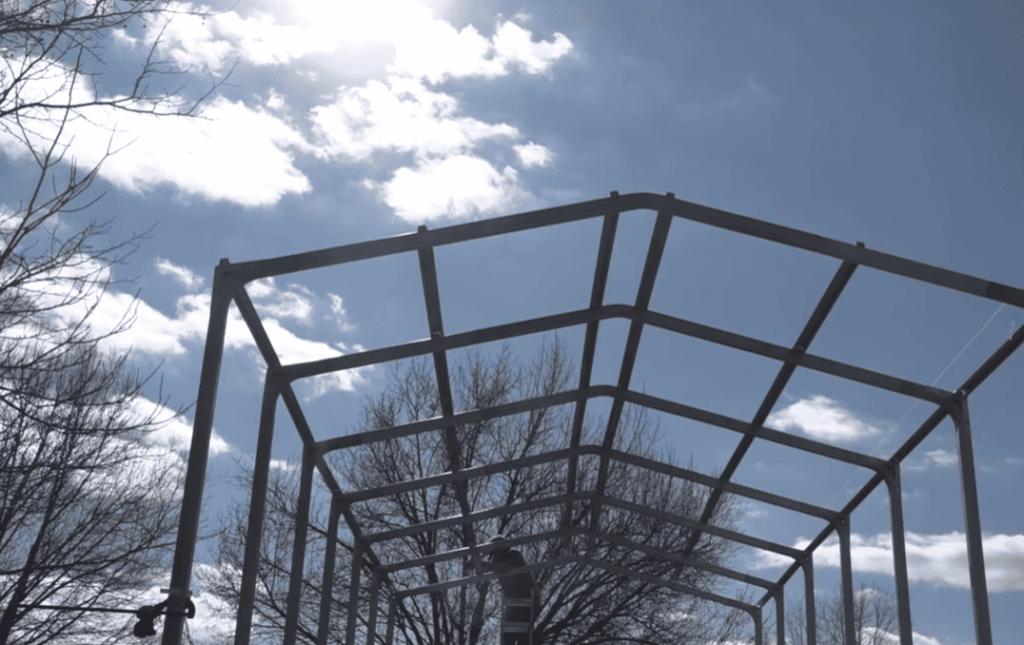
Larger covered areas offer incredible versatility. One reader’s 25’x24′ carport houses their camper on one side and boat on the other. This maximizes the structure’s utility.
Another owner built a 30’x40’x16′ shed with porch extension. It stores both their fifth wheel and truck camper with workshop access. The extra space handles all their equipment storage needs.
Creative additions enhance functionality significantly. Several readers added electrical outlets, LED lighting, and 30-amp shore power connections. One innovative owner installed solar panels to charge all vehicles parked inside their 26’x50′ four-bay carport.
Smart storage solutions include built-in boxes for truck accessories. Pulley systems can lift and store tailgates in overhead areas. These features transform basic covered parking into organized workspace.
When planning your building, consider future storage requirements. A well-designed structure becomes a valuable multi-use asset that grows with your needs.
Integrating Your RV Shelter into Your Property Layout
Where you place your new structure on your property makes a huge difference in both function and compliance. Smart planning ensures easy use and avoids issues with local rules or neighbors.
Think about your daily routine. The best location offers simple access for quick trips and maintenance.
Optimal Location and Access Considerations
Start by finding a level spot. This makes installation easier and meets anchoring needs. If your land slopes, you may need site preparation.
Your access way must be clear. Ensure your vehicle can enter and exit without tight turns. Watch for overhead wires and low tree branches.
Local zoning rules are critical. They set specific setbacks from property lines, roads, and your home. Always check these regulations first.
Many readers attach their shelter to an existing garage or home side. This creates a lean-to design that saves space and looks integrated.
One reader extended their two-car garage roof for coverage. Another moved their home’s air conditioner to make space for the carport.
Good neighbor relations matter. Consider how your structure’s placement affects their view and property line.
| Site Preparation Type | Best For | Key Advantage |
|---|---|---|
| Level Ground | Quick installation, standard anchoring | Minimal prep work, cost-effective |
| Gravel Base | Better drainage, sloped areas | Prevents water pooling, stable surface |
| Concrete Slab | Permanent structures, maximum stability | Long-lasting, easy to clean |
Leave ample space around your vehicle inside the shelter. This allows for slide-outs, roof unit clearance, and comfortable maintenance access. Planning your property layout this way creates a seamless and functional setup.
Conclusion
Investing in proper storage for your mobile living space ensures years of worry-free adventures. Your camper represents a significant investment that deserves robust protection from weather damage.
The right shelter solution exists for every budget and property. Options range from basic carport designs to premium metal buildings. Each provides essential protection that maintains your vehicle’s value.
Real owners report excellent results with various structures. Many find their carport or metal building becomes a multi-purpose asset. This way of protecting your investment pays dividends for years.
Combine your chosen shelter with regular maintenance for comprehensive care. Your camper will stay adventure-ready season after season. The perfect solution awaits to safeguard your mobile home.