
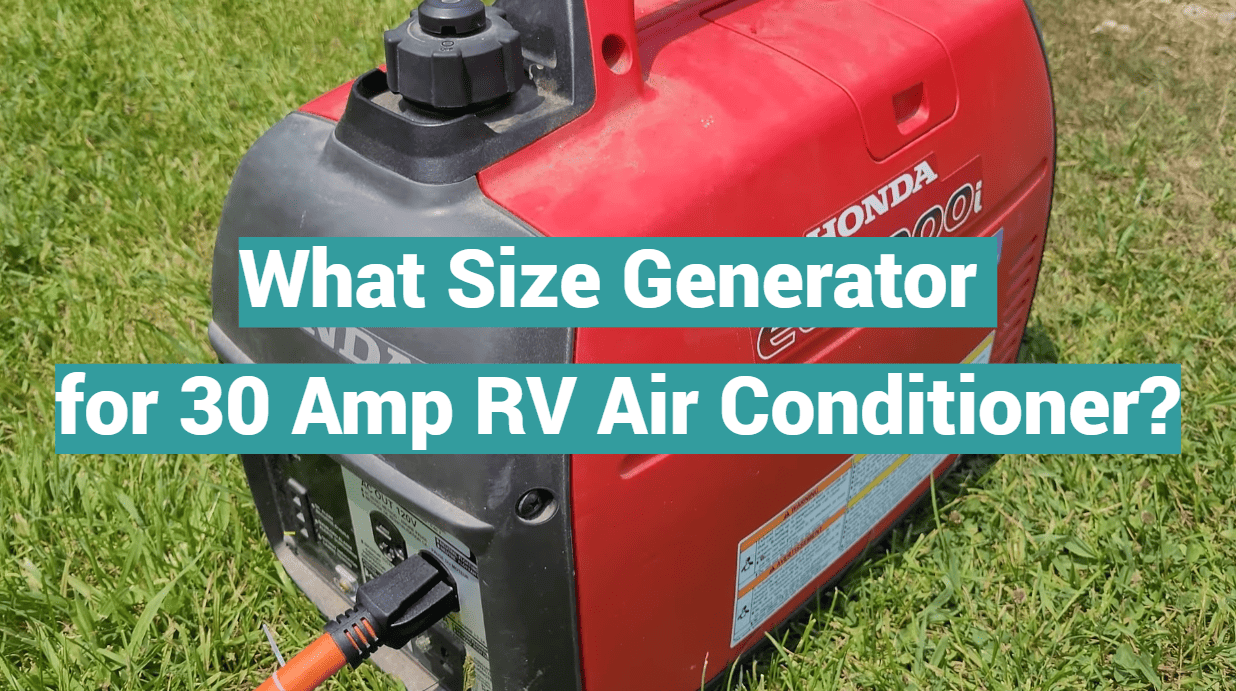
Did you know most recreational vehicles operate on just 30 amps of electrical capacity? That’s roughly equivalent to the power needed for a typical household hair dryer running continuously. This surprising limitation means choosing the right power source becomes absolutely critical for comfortable RV living.
The sweet spot for most 30-amp systems falls between 3,000 and 3,500 watts. This range provides sufficient capacity to run your cooling system while keeping other essential appliances operational. You’ll enjoy reliable climate control without constantly worrying about overloading your electrical setup.
While the maximum theoretical capacity reaches 3,600 watts, real-world usage rarely approaches this ceiling. A quality 3,200-watt inverter model offers the perfect balance of performance and efficiency. These units deliver quiet operation for campground etiquette while providing excellent fuel economy during extended off-grid adventures.
This guide will walk you through everything from basic electrical concepts to specific product recommendations. We’ll help you understand your exact power requirements and make an informed decision that fits your travel style.
Key Takeaways
- The ideal power range for most 30-amp systems is 3,000-3,500 watts
- Maximum theoretical capacity is 3,600 watts but practical usage is lower
- Inverter generators offer quiet operation and better fuel efficiency
- Proper sizing ensures reliable air conditioning without system overload
- Consider both your immediate needs and potential future requirements
- Fuel economy becomes important for extended boondocking trips
- Always account for additional appliances beyond just cooling needs
Understanding 30 Amp RV Electrical Systems
Getting to grips with your RV’s electrical setup is the first step toward reliable power management. Think of your vehicle’s wiring like a highway system with specific capacity limits.
Voltage, Amps, and Watts Explained
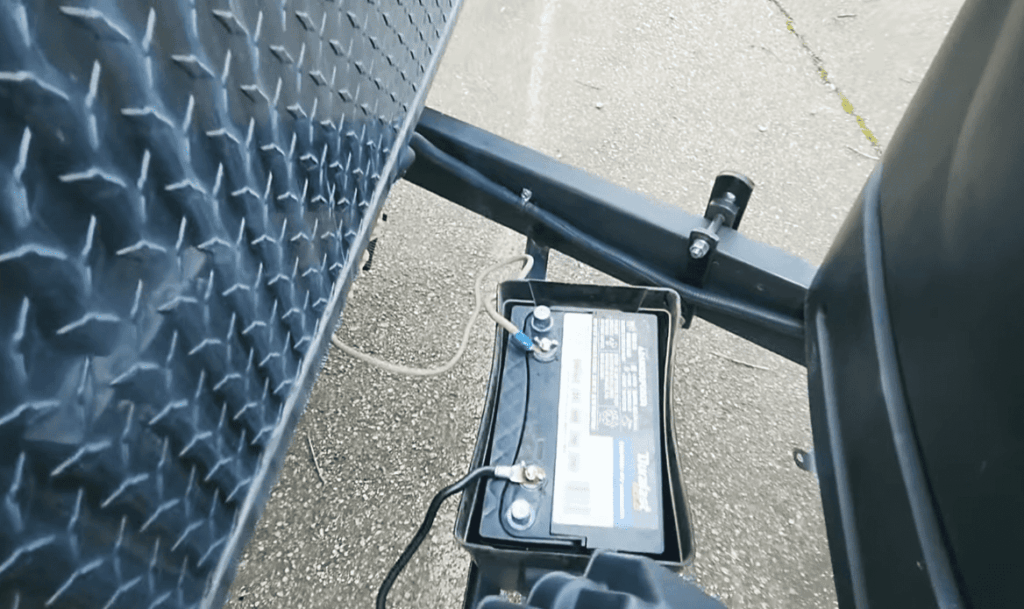
Voltage acts as the pressure pushing electricity through your wires. Most recreational vehicles use two systems: 12-volt DC for lights and pumps, and 120-volt AC for larger appliances.
Current flow is measured in amps. Your electrical system has a 30-amp capacity limit. The power formula is simple: Watts = Volts × Amps.
This means 120 volts × 30 amps gives you 3,600 watts maximum capacity. Understanding this relationship helps you make smart equipment choices.
Real-World Limitations and Safety Margins
That 3,600-watt maximum isn’t a target to reach. It’s more like a danger zone you should avoid. Pushing your system to its limits risks tripped breakers and potential damage.
Most experienced travelers operate comfortably between 2,500-3,200 watts. This safety buffer protects your electrical components and ensures reliable performance.
Leaving some headroom means your cooling system and other appliances can run smoothly without straining your power supply.
Essential Guide: what size generator for 30 amp rv air conditioner
The definitive answer to your power question hinges on a simple calculation and a smart safety buffer. Your recreational vehicle’s system has a maximum capacity of 3,600 watts. This number comes from multiplying 120 volts by 30 amps.
Think of this maximum as a ceiling you should not touch. A unit with a continuous output rating near this figure is ideal. This provides the necessary headroom for reliable operation.
It’s wise to select a model with a rating slightly above the bare minimum. This extra capacity offers peace of mind for unexpected demands. It also allows for future needs without requiring another purchase.
Understanding the difference between continuous and surge power is crucial. Your cooling system needs a steady flow of electricity. It also requires a brief burst of extra power during startup.
Choosing the correct generator size ensures your climate control works flawlessly. It prevents the frustration of an overloaded system. This knowledge simplifies your shopping process significantly.
Evaluating Generator Types for RVs
Modern power solutions fall into three main categories, each with specific benefits for mobile living. Understanding these options helps you select the ideal energy source for your needs.
Inverter, Conventional, and Solar Options
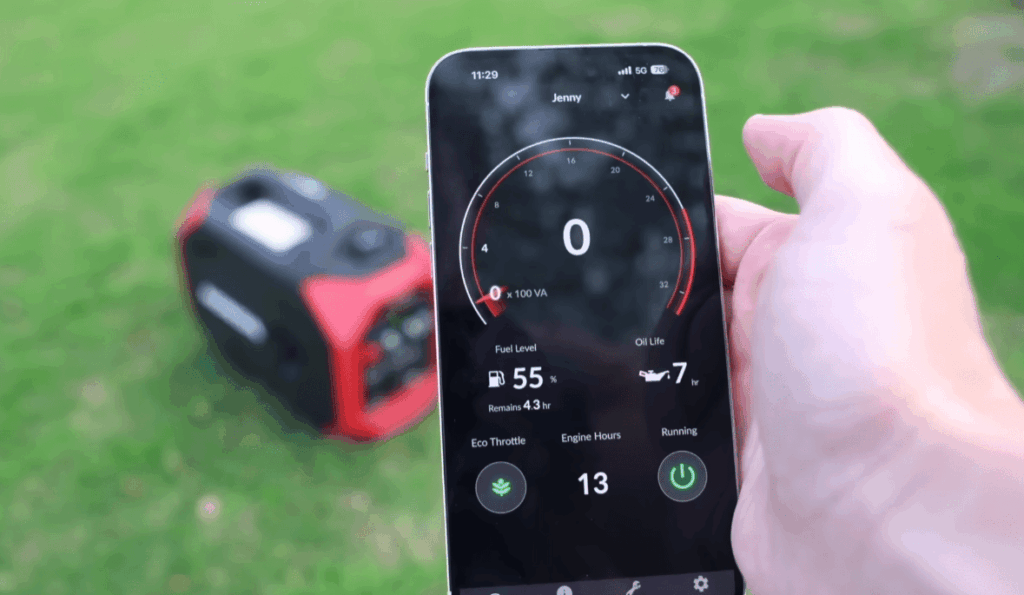
Inverter units produce clean electricity with less than 3% harmonic distortion. This stable power protects sensitive electronics while offering excellent fuel economy.
Conventional models provide raw power at lower upfront costs. They operate louder but maintain simple mechanical designs.
Solar systems harness renewable energy with zero emissions. These silent solutions require substantial initial investment but eliminate ongoing fuel expenses.
Pros and Cons of Each Generator Type
Each technology presents distinct advantages and limitations. Your choice depends on budget, noise tolerance, and environmental priorities.
| Feature | Inverter | Conventional | Solar |
|---|---|---|---|
| Power Quality | Excellent (THD | Fair (5-8% fluctuation) | Excellent |
| Noise Level | 50-60 dB | 65-75 dB | Silent |
| Initial Cost | $800-$2,500 | $400-$1,200 | $1,500-$5,000+ |
| Fuel Efficiency | 40-50% better | Standard | No fuel needed |
Gas-powered units offer widespread fuel availability. Propane models provide cleaner combustion with reduced noise output.
Solar generators deliver completely renewable energy. They represent the ultimate eco-friendly solution for conscious travelers.
Analyzing RV Air Conditioner Power Needs
The biggest challenge in RV power management comes from your air conditioner’s unique electrical behavior. This appliance operates in two distinct phases that demand different power levels.
Startup vs. Running Wattage
Your cooling unit needs a significant power surge during startup. This initial burst can be 2-3 times higher than normal operation.
This surge lasts only 3-5 seconds but determines your generator’s required capacity. The system then settles into its steady running wattage.
Failure to accommodate this spike causes immediate shutdowns. Your power source must handle both requirements seamlessly.
Considering BTU Ratings and Efficiency
BTU ratings directly correlate with electrical consumption. Higher BTU numbers mean more cooling capacity and higher wattage needs.
Modern units achieve better efficiency through advanced designs. They deliver the same cooling with less electrical output.
Always check your specific model’s requirements. This ensures you provide adequate power without overspending on excessive capacity.
Calculating Generator Wattage for Your RV
Smart power management begins with accurately calculating the combined electrical load of all your onboard systems. This hands-on approach ensures you select equipment that matches your actual usage patterns.
DIY Power Audit and Safety Buffer
Start by listing your essential appliances that run continuously. These form your baseline power needs.
Next, add comfort items you use regularly. This gives you a realistic total wattage requirement.
| Appliance | Running Watts | Startup Surge |
|---|---|---|
| Refrigerator | 300W | 400-600W |
| LED Lights (4-6) | 50W | N/A |
| Water Pump | 80W | N/A |
| Phone/Laptop Charging | 100W | N/A |
| Air Conditioning | 1,400W | 2,200W |
Remember to account for startup surges on certain devices. Add a 25% safety buffer to your total calculated watts.
Strategic usage of high-draw equipment prevents overloads. You can’t run everything at once, but smart planning ensures comfort within your power capacity.
Generator Recommendations and Brand Reviews
Finding the perfect power solution requires matching your budget with proven performance from trusted brands. The marketplace offers three distinct tiers to suit different financial considerations and power needs.
Premium, Value, and Budget Tier Options
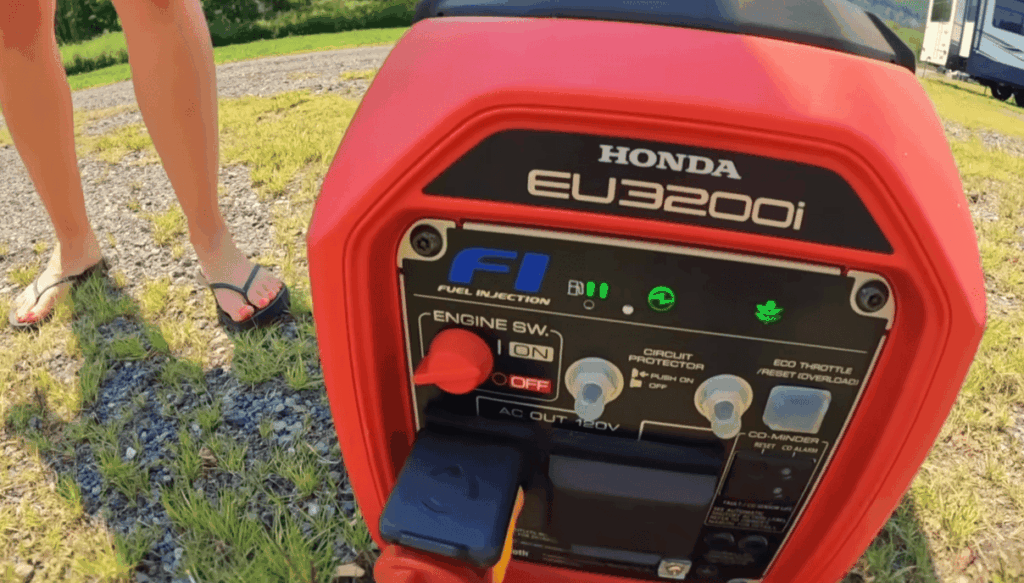
Premium models represent the gold standard in reliability and performance. The Honda EU3200i delivers 3,200 watts at just 57 decibels, running up to 20 hours. Yamaha’s EF3000iSEB offers similar quiet operation with convenient electric start.
Value-tier equipment balances cost with essential features. Champion’s 3400W Dual Fuel unit provides flexibility running on gasoline or propane. WEN’s 3500W model includes electric start at a mid-range price point.
Budget-conscious buyers find capable options in the $400-$800 range. Westinghouse’s WGen3600 offers strong surge capacity for basic needs. DuroMax’s XP3000iS brings inverter technology to economical pricing.
Each category involves clear trade-offs between cost, noise levels, and advanced features. Premium units justify their higher price through exceptional fuel efficiency and electronics protection.
For protecting expensive RV investments, quality inverter models serve as essential insurance. They prevent damage to sensitive systems that can cost thousands to replace.
Safety Considerations for Generator Use in RVs
Your mobile power source requires the same careful attention as your vehicle’s engine for safe operation. Proper setup prevents dangerous situations that could put your family at risk.
The National Fire Protection Association calls carbon monoxide “the invisible killer” for good reason. This odorless, colorless gas can accumulate silently in enclosed spaces.
Critical Setup: Distance, CO Detectors, and Grounding
Always position your power unit at least 20 feet from any RV intake vents, windows, or doors. This distance prevents exhaust fumes from entering your living space.
Install battery-powered carbon monoxide detectors inside your vehicle. Many states now require these life-saving devices. Test them monthly and replace batteries annually.
Use GFCI outlets or adapters to prevent electrical shock hazards. Proper grounding protects your entire electrical system during wet conditions.
Store gasoline only in approved containers away from heat sources. Never run your equipment in garages, carports, or under awnings where deadly gases can accumulate.
Understanding Load Limits and Overload Protection
Recognizing overload symptoms protects your equipment and connected appliances. Voltage drops, unusual noises, or automatic shutdowns signal immediate load reduction needs.
Monitor your power consumption carefully when running multiple devices. The table below helps assess your current safety preparedness.
| Safety Factor | Proper Setup | Risk Level |
|---|---|---|
| Distance from RV | 20+ feet | Low risk |
| CO Detector | Installed & tested | Low risk |
| Grounding | GFCI protected | Low risk |
| Fuel Storage | Approved containers | Low risk |
| Location | Open air only | Low risk |
Score 8-10 points for well-prepared status. Lower scores indicate needed safety improvements. Your vigilance ensures enjoyable adventures without preventable accidents.
Maintenance and Troubleshooting Tips
Proper maintenance transforms your power equipment from a potential liability into a reliable travel companion. Consistent care prevents unexpected failures during critical camping trips. A small investment of time saves frustration and repair costs.
Regular Maintenance Checklists
Follow a structured schedule to keep your unit running smoothly. Every fifty hours or at each season’s start, complete essential tasks. Change the engine oil using manufacturer-recommended weights like 10W-30.
Replace the air filter and inspect spark plug condition during this service interval. Clean cooling fins to maintain proper heat dissipation. These simple steps ensure optimal performance.
At one hundred hours or annually, perform deeper maintenance. Replace the spark plug entirely and clean the carburetor. Inspect fuel lines for cracks and test actual power output under load.
Quick Fixes and Troubleshooting Strategies
When your equipment won’t start, begin with basic checks. Verify fuel quality and level, as old gasoline causes most problems. Check oil levels since many units have automatic low-oil shutoff protection.
Ensure the choke is set correctly for current temperatures. Inspect spark plug connections for corrosion or looseness. Try bypassing electric start systems if applicable.
For power fluctuation issues, disconnect non-essential loads immediately. Check for clogged air filters affecting performance. Verify proper grounding and allow overheated units to cool completely.
Storage preparation is equally important. Add stabilizer or drain the tank completely before long-term storage. Run the unit dry to prevent carburetor issues. Store in dry, ventilated areas to avoid moisture damage.
Keeping a simple maintenance log helps track service intervals accurately. This preventive approach ensures your generator remains dependable through many adventures.
Comparing Gas, Propane, and Solar Generator Options
Each power solution brings distinct advantages that align with different camping philosophies and priorities. Understanding these differences helps you select the ideal energy source for your adventures.
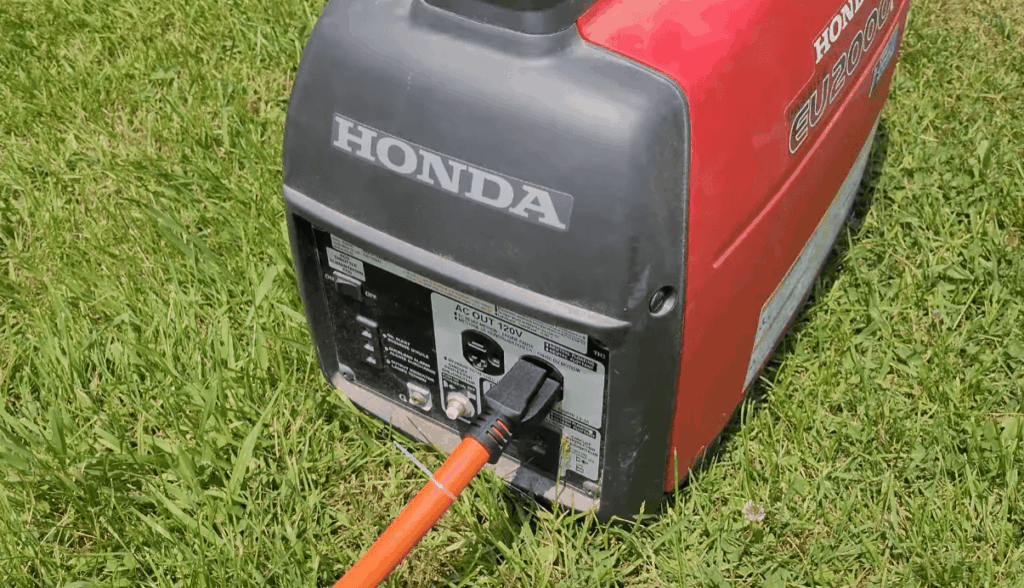
Gas-powered generators offer widespread availability and lower upfront costs. They can handle multiple appliances simultaneously. However, they operate louder and consume more fuel than alternatives.
Propane units provide cleaner combustion with reduced noise levels. They offer longer run times per fuel unit. The challenge lies in less accessible fuel and higher setup expenses.
Solar generators represent the eco-conscious choice. They capture renewable energy through panels, storing power in batteries. These systems operate silently with zero emissions.
The initial investment for capable solar generator systems can reach $5,000. Their effectiveness depends on sunny conditions. Capacity limitations may require careful power management.
Your choice depends on environmental values, noise sensitivity, and budget. Consider which source aligns with your camping style and locations.
Optimizing Generator and RV Air Conditioning Efficiency
The secret to comfortable RV living lies in optimizing how you use your equipment. Smart management of your power resources extends runtime and reduces costs significantly.
Modern units offer features that maximize performance while minimizing waste. Understanding these tools transforms your energy consumption patterns.
Energy Saving Tips and Eco-Mode Usage
Eco-mode technology represents a breakthrough in efficient operation. This feature automatically matches engine speed to your current load requirements.
When activated, eco-mode can reduce fuel consumption by 30-40%. It’s perfect for periods when you’re running fewer appliances.
For your cooling system, set temperatures to comfortable levels rather than extreme settings. Each degree adjustment impacts your energy usage by 3-5%.
Strategic parking makes a substantial difference in efficiency. Choose shaded campsites and use reflective window covers.
These simple steps can reduce AC runtime by up to 30%. Proper insulation and sealed air leaks keep cool air inside your vehicle.
Regular maintenance ensures peak performance from all equipment. Clean filters and proper ventilation contribute to better efficiency.
Stagger usage of high-draw appliances to avoid overloading your system. This approach maintains comfortable conditions without straining your power source.
Matching Generator Capacity with Different RV Usage Patterns
Not all recreational vehicle owners share the same electrical requirements or usage habits. Your travel frequency and duration directly influence the ideal power solution for your adventures.
Understanding your specific camping style prevents overspending on excessive capacity or underestimating your actual needs. Different patterns call for distinct approaches to portable energy management.
Weekend Warriors and Full-Time Road Warriors
Weekend travelers camping 2-4 days benefit from 2,800-3,200W units. These portable options weigh 70-85 pounds and run 8-12 hours efficiently.
Extended boondockers spending 1-2 weeks off-grid require 3,200-3,500W models. Fuel efficiency becomes critical when gas stations are distant.
Full-time road warriors treating their RV as home need maximum flexibility. Consider 3,500W+ units or dual 2,000W parallel setups for redundancy.
Campground hoppers primarily using hookups can choose smaller 2,500-3,000W options. These serve as backup insurance for occasional dry camping.
| User Type | Power Needs | Priority Features | Ideal Capacity |
|---|---|---|---|
| Weekend Warrior | Basic cooling & charging | Portability & quiet operation | 2,800-3,200W |
| Extended Boondocker | Reliable long-term power | Fuel efficiency & durability | 3,200-3,500W |
| Full-Time Traveler | Multiple systems simultaneously | Capacity & redundancy | 3,500W+ or dual setup |
| Campground Hopper | Backup power only | Budget-friendly & lightweight | 2,500-3,000W |
Honestly assess your camping patterns before selecting equipment. Base your choice on actual usage rather than hypothetical scenarios.
Exploring Solar Generator Solutions for RV Air Conditioners
Solar energy offers a clean alternative for powering your mobile adventures. These silent systems capture renewable power through panels, storing energy in advanced battery units.
They eliminate fuel costs and reduce environmental impact significantly. Modern models now handle the substantial demands of cooling systems effectively.
Product Highlights: Jackery, EcoFlow, and More
The Jackery Solar Generator 3000 Pro delivers 3024Wh capacity with 2000 charge cycles. It runs a 1350W unit for approximately 1.9 hours per full charge.
Multiple charging options include solar panels, wall outlets, and car adapters. The Jackery 2000 Plus features 4000 cycles and 4000W peak output.
EcoFlow’s DELTA Pro matches maximum system capacity at 3.6kW continuous output. Its 7.2kW surge handles startup demands effortlessly.
These systems work best for intermittent cooling during peak heat hours. While runtime is limited compared to fuel models, solar charging creates sustainable cycles.
The initial investment ranges from $2,000-$5,000 but eliminates ongoing fuel expenses. Proper panel setup ensures continuous charging throughout daylight hours.
Generator Safety Setup and Regular Maintenance Schedules
Your power equipment’s reliability depends heavily on consistent safety practices and maintenance routines. Following simple protocols protects both your investment and your family’s well-being.
Always position your unit at least 20 feet from any vehicle openings. Install battery-powered carbon monoxide detectors inside your living space. Use GFCI outlets for all electrical connections.
Store gasoline only in approved containers away from heat sources. Never operate equipment in enclosed spaces where dangerous fumes can accumulate.
Regular maintenance prevents unexpected failures during critical trips. Follow this straightforward schedule to keep your equipment running smoothly.
| Maintenance Interval | Essential Tasks | Tools Needed | Time Required |
|---|---|---|---|
| Every 50 Hours | Change oil, replace air filter, check spark plug | Wrench, new filter, spark plug gauge | 30 minutes |
| Every 100 Hours | Replace spark plug, clean carburetor, inspect fuel lines | Carb cleaner, new plug, line inspection tool | 45 minutes |
| Before Storage | Add fuel stabilizer or drain tank, run unit dry | Fuel stabilizer, siphon pump | 15 minutes |
| Seasonal Startup | Load test output, verify grounding, check all connections | Multimeter, grounding rod tester | 20 minutes |
For troubleshooting, start with basic checks. Verify fuel quality and oil levels first. Inspect spark plug connections for corrosion.
Keep a simple maintenance log to track service dates. This small time investment ensures your equipment remains dependable through many adventures.
Conclusion
The freedom to explore anywhere while maintaining comfort comes down to smart power planning. You now understand the ideal wattage range and how to match equipment to your specific camping patterns.
Remember the critical decision points: calculating your exact power needs through a personal audit and selecting between different energy sources. Your choice should reflect both immediate requirements and future adventures.
Safety protocols and regular maintenance ensure reliable performance season after season. Proper positioning and carbon monoxide detection protect your family during every trip.
While good preparation minimizes problems, comprehensive coverage provides peace of mind for unexpected situations. You’ve invested in knowledge and equipment—now enjoy the confidence to create memories wherever your travels lead.