
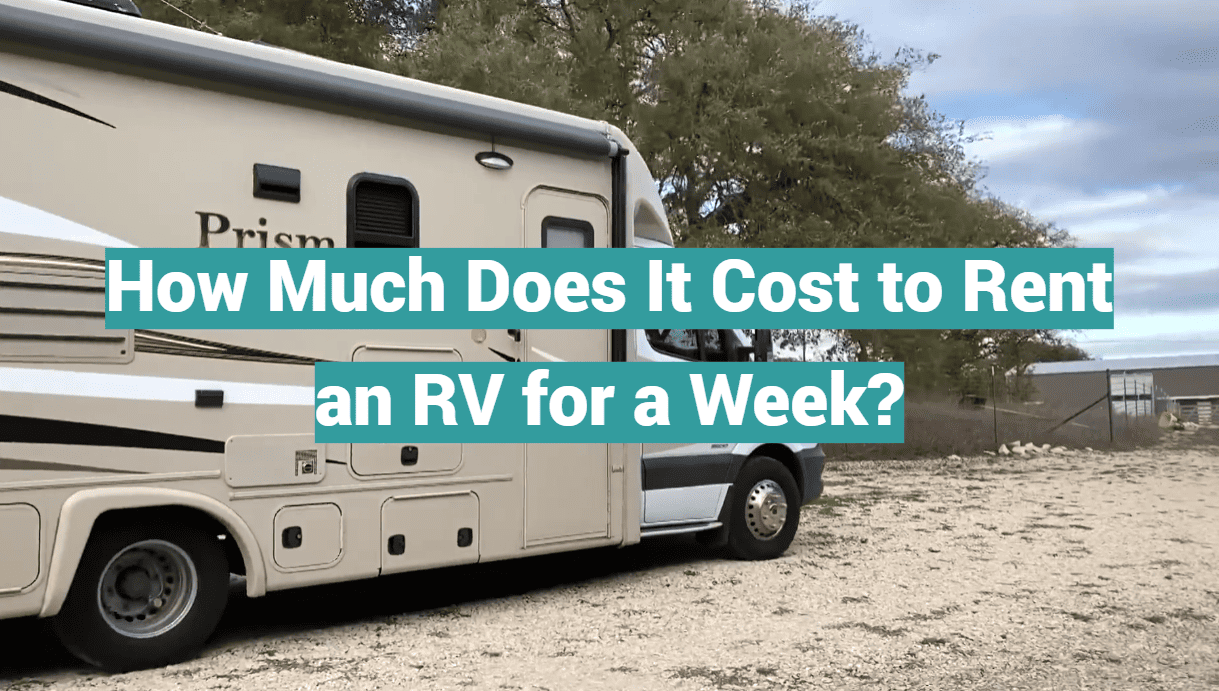
Did you know that over 11 million American households now own an RV? This staggering number reveals a deep-seated love for adventure on the open road. But for many, the dream starts with a simple question: how much does it cost to rent an rv for a week?
The answer is not a single number. Your final price tag depends on a wide array of factors. The type of recreational vehicle you choose plays the biggest role. Options range from compact campervans to spacious motorhomes with all the comforts of home.
Beyond the base rental rate, several other expenses will influence your total budget. These can include insurance coverage, mileage limits, and preparation fees. Don’t forget to account for your destination’s campground costs and potential generator use.
This guide will walk you through every component of the weekly price. Our goal is to help you understand the full financial picture. This knowledge allows you to plan a fantastic journey without any unwelcome surprises.
By the end, you’ll feel confident budgeting for your ideal road trip. You will know how to select the perfect vehicle and rental company for your adventure.
Key Takeaways
- Weekly RV rental prices vary dramatically based on the vehicle’s class, size, and age.
- The base rate is just the starting point; additional fees can significantly increase the total cost.
- Seasonal demand greatly affects availability and pricing, with summer typically being the most expensive time.
- Insurance, mileage packages, and campground reservations are crucial budget considerations.
- Understanding all potential costs upfront helps you avoid unexpected expenses and plan accurately.
- Comparing quotes from different rental companies can lead to better value and service.
Introduction to RV Rentals and Pricing
RV travel represents one of the most flexible ways to explore the continent while maintaining the comforts of home. This unique approach to vacationing combines transportation and lodging into a single, mobile package.
The average nightly rate for these vehicles falls between $155 and $200 in major metropolitan areas. However, this starting figure can vary significantly based on multiple factors.
Overview of the RV Rental Experience
Choosing a motorhome for your journey eliminates the need for separate hotel bookings. You can drive, stop, sleep, and explore with everything you need conveniently packed together.
This style of travel offers remarkable freedom to change your itinerary spontaneously. The rental experience provides a sense of adventure coupled with home-like amenities.
Why Budgeting for an RV Trip Matters
Understanding the complete costs associated with your camping adventure is essential for proper planning. Many first-time renters focus only on the base rate and encounter unexpected expenses.
Comprehensive budgeting helps you avoid financial surprises during your journey. It allows you to make informed decisions about vehicle selection and optional services.
The rental industry offers options for various budget levels, from basic motorhomes to luxury models. Proper financial planning ensures you can fully enjoy your adventure without constant money concerns.
Understanding RV Rental Pricing Structures
When budgeting for your mobile adventure, you’ll encounter a dual pricing structure that combines fixed and flexible costs. The advertised rate represents only part of your total investment.
Base Rates by RV Type and Class
Vehicle classification dramatically affects your starting prices. Luxury Class A motorhomes command premium rates of $250-$400+ per night. These spacious models offer hotel-like amenities.
More compact Class B campervans typically range from $150-$300 per night. They provide excellent fuel efficiency and easier maneuverability. Mid-size Class C options fall between these extremes at $175-$350 per night.
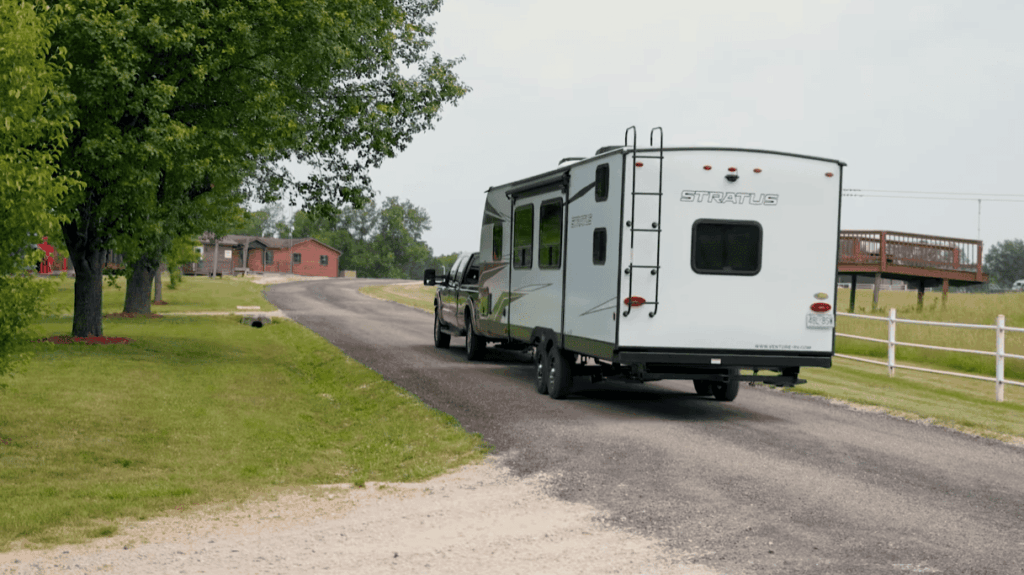
Travel trailers represent the most budget-friendly choice. Their rental costs generally stay between $100-$200 per night. Your selection depends on both comfort needs and financial constraints.
Variable Costs Influencing the Final Price
Several factors can significantly adjust your bottom line. Geographic location plays a crucial role in determining final fees. Popular tourist destinations often carry higher price tags.
Seasonal demand creates substantial price fluctuations. The same vehicle might cost 30-50% more during peak summer months. Rental duration also impacts your per night rate.
Additional charges for insurance, mileage, and preparation services can add substantially to your total. Understanding these variable costs helps you comparison shop effectively.
how much does it cost to rent an rv for a week: Breaking Down the Rates
The price spectrum for recreational vehicle rentals spans from budget-friendly options to luxury models. Understanding these weekly rates helps you select the perfect vehicle for your adventure.
Class A motorhomes represent the premium end of the market. Newer luxury units command $1,225 to $1,925 weekly, while older models offer more affordable $800 to $1,500 rates.
Class B campervans provide excellent value for couples or small families. These compact vehicles range from $600 to $1,200 weekly for older models and $700 to $1,400 for newer ones.
Mid-size Class C motorhomes strike a balance for many families. Weekly rental costs typically fall between $840 to $1,100 for older units and $1,000 to $1,400 for newer models.
Towable options like travel trailers deliver exceptional value. These range from $300 to $500 weekly for older models and $350 to $900 for newer units.
Fifth wheel trailers require heavy-duty tow vehicles but offer spacious accommodations. Expect to pay $330 to $750 weekly for older models and $420 to $1,000 for newer ones.
Fuel represents a significant additional expense on your camping trip. Most motorhomes average 6-10 miles per gallon, with 100-gallon tanks costing approximately $350 to fill at current gas prices.
Remember that the advertised weekly rate is just your starting point. Plan to add 30-50% for fuel, fees, insurance, and campground costs to determine your true total investment.
RV Types and Classes Impacting Rental Costs
Vehicle classification creates the most significant price differences in RV adventures. Understanding these categories helps you match your needs to the right recreational vehicle.
The main drivable options include three distinct classes of motorhomes. Each offers unique benefits at different price points.
Class A, B, and C Motorhomes Explained
Class A motorhomes represent the luxury end of the spectrum. These spacious vehicles feature residential amenities like multiple TVs and outdoor kitchens. Newer models average around $300 per night.
Class B options, often called campervans, provide compact efficiency. Built on van chassis, they’re easier to drive while offering full RV equipment. Expect to pay about $240 per night for newer units.
Class C motorhomes strike a perfect balance for families. Their distinctive over-cab sleeping area provides extra space. These mid-size vehicles typically cost $150-$300 per day.
Travel Trailers and Towable Campers Overview
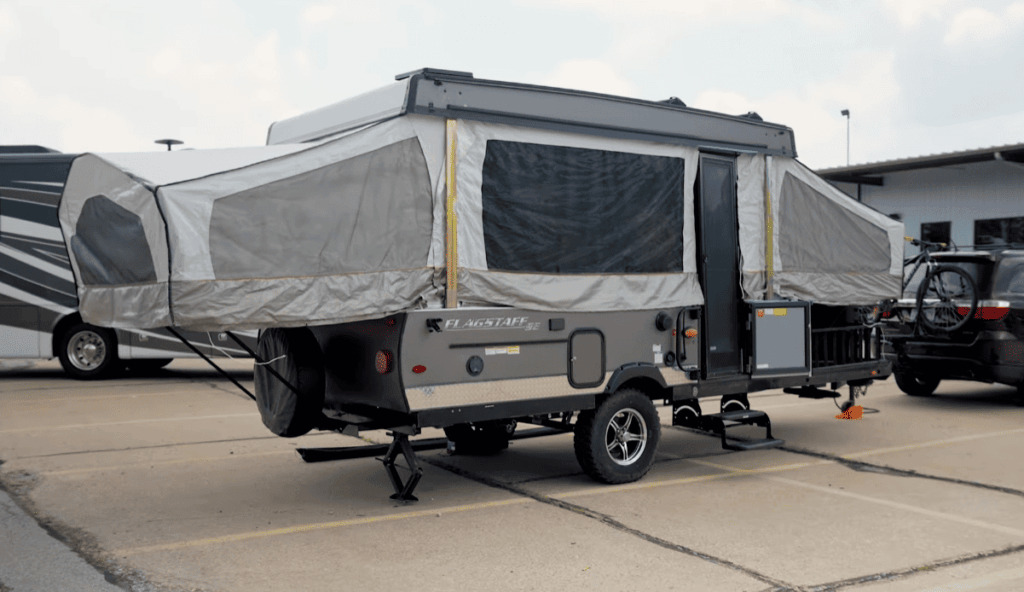
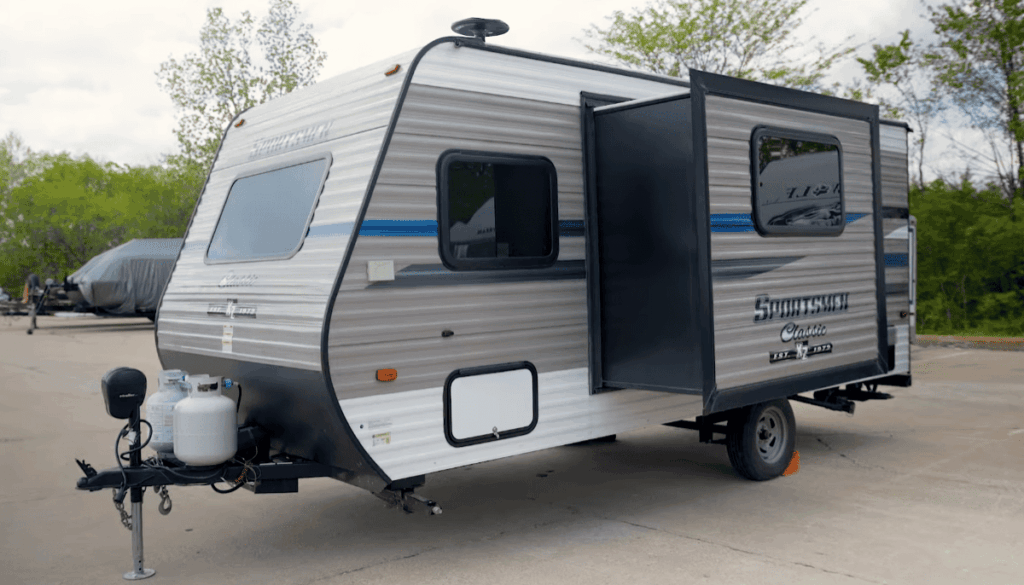
Travel trailers offer the most budget-friendly alternative. At just $60-$125 per day, they provide excellent value. You’ll need a separate tow vehicle but gain flexibility to explore locally.
As one industry expert notes,
“The right RV size ensures comfort without wasting money on unused space.”
Newer models under ten years old typically cost 20-30% more. They offer better reliability and modern features. This premium justifies the higher rental costs for many travelers.
| RV Type | Size & Features | Sleeping Capacity | Average Nightly Rate |
|---|---|---|---|
| Class A Motorhome | 30-45 ft, luxury amenities | 6-10 people | $175-$350 |
| Class B Campervan | Compact, easy to drive | 2-4 people | $125-$250 |
| Class C Motorhome | Mid-size, family-friendly | 4-8 people | $150-$300 |
| Travel Trailer | Towable, versatile | 2-6 people | $60-$125 |
Your group size and comfort preferences should guide your selection. Larger units accommodate more people but command higher rates. Compact options save money on both rental costs and fuel expenses.

Key Factors That Affect Rental Costs
Several important considerations will shape the total cost of your recreational vehicle experience. Understanding these elements helps you budget accurately and make smart choices.
Season, Location, and Demand
Timing and geography play crucial roles in determining your final price. Peak seasons like summer and holidays command premium rates due to high demand.
Choosing off-peak periods like fall or early spring can save you 20-40%. Your pickup location also matters—major cities and tourist destinations often have higher fees.
Vehicle Size, Age, and Included Amenities
The class and size of your motorhome directly impact pricing. Larger class motorhomes naturally cost more but offer greater comfort for groups.
Newer models command higher rental costs but provide modern features. Older, well-maintained units can offer significant savings without sacrificing functionality.
| Seasonal Factor | Price Impact | Travel Recommendation |
|---|---|---|
| Peak Season (Summer/Holidays) | 30-50% Higher Rates | Book 3-6 months in advance |
| Shoulder Season (Spring/Fall) | 20-40% Savings | Ideal for budget-conscious travelers |
| Off-Season (Winter) | Highest Discounts | Best for warm climate destinations |
Mileage policies and fuel efficiency are additional factors to consider. Some companies charge per extra mile, while gas consumption varies by vehicle type.
Diesel models often get better miles per gallon but come with higher rental costs. Understanding these variables helps you select the right motorhome for your journey.
Extra Fees and Additional Costs to Consider
The true cost of your adventure includes several mandatory and optional fees that significantly impact your budget. These additional costs can add hundreds or even thousands to your total expense.
Proper planning helps you avoid surprises and make informed decisions about your recreational vehicle experience.
Cleaning, Insurance, and Security Deposits
Standard cleaning fees range from $100 for Class C units to $300 for premium diesel models. These charges cover professional sanitation so you can return the vehicle without detailed cleaning.
Insurance represents a major expense at $50-$200 daily. Comprehensive packages offer up to $1 million liability protection. Security deposits of $750-$2,500 are held before your trip and refunded after inspection.
Optional Add-Ons and Delivery Charges
Optional services include trip cancellation coverage and pet fees around $100. Delivery charges start at $350 for the first 25 miles.
Don’t forget campground fees of $20-$100 nightly and fuel costs for your motorhome. These additional fees complete your budgeting picture.
How Rental Duration Influences Costs
Extended rental periods often unlock significant savings that can make longer trips more affordable. The length of your adventure directly impacts the per night rate you’ll pay.
Companies frequently offer automatic discounts for week-long bookings. This approach incentivizes extended use of their vehicles.
Weekly Discounts Versus Daily Rates
Weekly rental rates typically provide 10-20% savings compared to daily pricing. A weekend trip might cost $150-400 per night, while a full week could reduce this to $120-320.
The break-even point usually occurs around 5-7 days. Planning a trip of this length makes weekly booking more economical.
Seasonal factors interact with duration discounts. Off-season weekly costs sometimes match peak-season weekend rates.
Larger motorhome units often show deeper discounts than compact travel trailers. This reflects their higher daily carrying costs.
Remember that longer rentals reduce your daily accommodation expense. However, they increase fuel consumption and other trip costs.
Tips for Saving Money on RV Rentals
Budget-conscious travelers have multiple pathways to reduce their motorhome rental costs without sacrificing comfort. Strategic planning before and during your journey can yield significant savings.
Smart timing choices make a substantial difference in your total expenses. Consider these approaches to maximize value.
Booking Early and Traveling Off-Peak
Reserving your vehicle 3-6 months ahead locks in better rates before peak seasons drive prices upward. Spring and fall travel typically offers 20-40% savings compared to summer rates.
Shoulder seasons provide ideal conditions for affordable camping adventures. You’ll encounter smaller crowds and pleasant weather in most regions.
| Travel Period | Potential Savings | Recommended Booking Timeline |
|---|---|---|
| Peak Season (Summer) | Standard Rates | 6+ months in advance |
| Shoulder Season (Spring/Fall) | 20-40% Discount | 3-4 months in advance |
| Off-Season (Winter) | Highest Discounts | 1-2 months in advance |
Using Discounts and Bringing Your Own Insurance
Many companies offer special programs for military personnel, teachers, and first responders. TX RV Adventures provides a Hero Discount that reduces base rental costs by 5-15%.
Check if your auto policy extends to recreational vehicle coverage. This can save $50-200 daily on insurance fees. Personal coverage often meets rental requirements while protecting your money.
Self-pickup avoids delivery charges starting at $350. The orientation process helps you understand your vehicle’s features thoroughly.
Comparing RV Rental Companies and Options
The RV rental market offers two distinct paths to finding your perfect mobile home. Your choice between peer-to-peer platforms and corporate rental companies shapes your entire experience.

Peer-to-Peer Platforms vs. Corporate Rental Companies
Peer-to-peer services like Outdoorsy and RVshare connect you directly with individual owners. These platforms often feature diverse vehicle selections and competitive prices.
Corporate rental companies such as Cruise America provide standardized fleets with professional maintenance. They offer consistent policies and established support systems.
| Feature | Peer-to-Peer Platforms | Corporate Companies |
|---|---|---|
| Vehicle Variety | Extensive, unique options | Standardized, newer models |
| Pricing Structure | Owner-set, often competitive | Fixed rates, transparent |
| Support Quality | Varies by owner | Professional, consistent |
| Location Availability | Widespread, diverse areas | Major cities primarily |
Regional companies like TX RV Adventures blend the best of both worlds. They offer well-maintained vehicles with personalized service.
Consider all factors before selecting your rental provider. Vehicle condition, insurance options, and customer reviews matter greatly.
Insurance and Optional Add-Ons in Detail
Understanding your insurance options is crucial for protecting your investment during your recreational vehicle adventure. This coverage can range from $50 to $200 per day depending on the protection level you select.
Your regular auto policy may offer limited protection for these specialized vehicles. Most policies exclude larger motorhomes entirely or only provide basic liability coverage.
Different Coverage Options for RV Rentals
Rental companies typically offer tiered insurance packages. Basic liability protection covers damage you cause to others’ property.
Premium packages like the “Peace of Mind” option provide comprehensive protection. These include up to $1 million in liability coverage and roadside assistance.
Collision coverage handles damage from accidents with other vehicles. Comprehensive protection addresses non-collision incidents like theft or weather damage.
Consider the vehicle’s value and your risk tolerance when selecting coverage. Declining proper insurance on expensive Class A motorhomes could leave you financially vulnerable.
Some credit cards offer rental vehicle benefits, but most exclude larger recreational vehicles. Always verify your specific coverage before relying on alternative options.
Managing Security Deposits and Cleaning Fees
Security deposits and cleaning fees represent important financial safeguards that protect both renters and rental companies. These upfront charges ensure your vehicle returns in good condition.
Security deposits typically range from $750-$1,000 for travel trailers up to $1,500-$2,500 for motorhomes. This temporary hold on your credit card covers potential damages or violations during your trip. The unused portion refunds within 7-14 days after return.
Cleaning fees vary by vehicle class, from $100 for Class C units to $300 for large diesel pushers. This standard charge covers professional sanitation between rentals. You can return the vehicle in “broom-swept” condition without detailed cleaning.
Additional cleaning charges may apply if you return the unit excessively dirty. Document the vehicle’s condition during pickup to avoid disputes. Follow your contract guidelines for propane refills and waste tank emptying.
Some companies offer damage waiver options for peace of mind. These typically cost $50-$100 per rental period. They reduce your financial responsibility for minor damages.

Conclusion
Planning your perfect road adventure begins with understanding the complete financial picture. The true investment extends beyond the base rate to include insurance, campground fees, and fuel expenses.
Weekly prices range from budget-friendly options to luxury models, accommodating various travel styles. Strategic planning—like booking early and choosing shoulder seasons—can significantly reduce your total trip cost.
Companies offering transparent pricing and well-maintained vehicles provide the best value. Your mobile vacation delivers unmatched freedom and comfort, creating memories that last far beyond the initial rental period.
FAQ
What is the average price to rent a motorhome for a week?
What is the average price to rent a motorhome for a week?
FAQ
What is the average price to rent a motorhome for a week?
The average weekly rental cost varies significantly based on the RV class, size, and season. For a standard Class C motorhome, you might pay between
FAQ
What is the average price to rent a motorhome for a week?
The average weekly rental cost varies significantly based on the RV class, size, and season. For a standard Class C motorhome, you might pay between $1,000 and $2,000. Larger Class A models or peak season rentals can push prices toward $3,000 or more. Always factor in extra fees like insurance and mileage.
What are the main factors that influence rental rates?
Several key factors affect your final price. These include the time of year (peak seasons are more expensive), the rental location, the size and class of the motorhome, and the vehicle’s age and amenities. Demand during holidays also plays a major role in pricing.
Are there hidden fees I should know about?
Beyond the base rate, you’ll encounter several additional costs. Common fees include a security deposit, cleaning charges, insurance coverage, and charges for extra miles. Some companies also have fees for generator use or late returns, so read the rental agreement carefully.
How can I save money on my RV rental?
You can save a considerable amount by booking your trip early and traveling during off-peak seasons. Renting from peer-to-peer platforms can sometimes offer better deals than large corporate rental companies. Also, check if your personal auto insurance policy can extend coverage to the rental.
What’s the difference between peer-to-peer and corporate rental companies?
Peer-to-peer platforms, like RVshare, connect you with individual owners, often resulting in more competitive pricing and unique vehicle options. Corporate rental companies, like Cruise America, offer standardized fleets and established roadside assistance programs. Your choice depends on your preference for price versus consistency.
Is insurance included in the rental cost?
A> Insurance is typically an additional charge. Rental companies offer different coverage options, from basic liability to comprehensive plans that protect against damage. The cost for this protection can range from $15 to $50 per day, so it’s a significant part of your budget.
Do weekly rentals come with a discount?
Yes, most companies offer discounted rates for weekly rentals compared to their daily prices. A seven-day rental often costs the equivalent of five or six daily rates, providing solid savings for longer trips. Always ask about weekly and even monthly specials.
,000 and ,000. Larger Class A models or peak season rentals can push prices toward ,000 or more. Always factor in extra fees like insurance and mileage.
What are the main factors that influence rental rates?
Several key factors affect your final price. These include the time of year (peak seasons are more expensive), the rental location, the size and class of the motorhome, and the vehicle’s age and amenities. Demand during holidays also plays a major role in pricing.
Are there hidden fees I should know about?
Beyond the base rate, you’ll encounter several additional costs. Common fees include a security deposit, cleaning charges, insurance coverage, and charges for extra miles. Some companies also have fees for generator use or late returns, so read the rental agreement carefully.
How can I save money on my RV rental?
You can save a considerable amount by booking your trip early and traveling during off-peak seasons. Renting from peer-to-peer platforms can sometimes offer better deals than large corporate rental companies. Also, check if your personal auto insurance policy can extend coverage to the rental.
What’s the difference between peer-to-peer and corporate rental companies?
Peer-to-peer platforms, like RVshare, connect you with individual owners, often resulting in more competitive pricing and unique vehicle options. Corporate rental companies, like Cruise America, offer standardized fleets and established roadside assistance programs. Your choice depends on your preference for price versus consistency.
Is insurance included in the rental cost?
A> Insurance is typically an additional charge. Rental companies offer different coverage options, from basic liability to comprehensive plans that protect against damage. The cost for this protection can range from to per day, so it’s a significant part of your budget.
Do weekly rentals come with a discount?
Yes, most companies offer discounted rates for weekly rentals compared to their daily prices. A seven-day rental often costs the equivalent of five or six daily rates, providing solid savings for longer trips. Always ask about weekly and even monthly specials.